


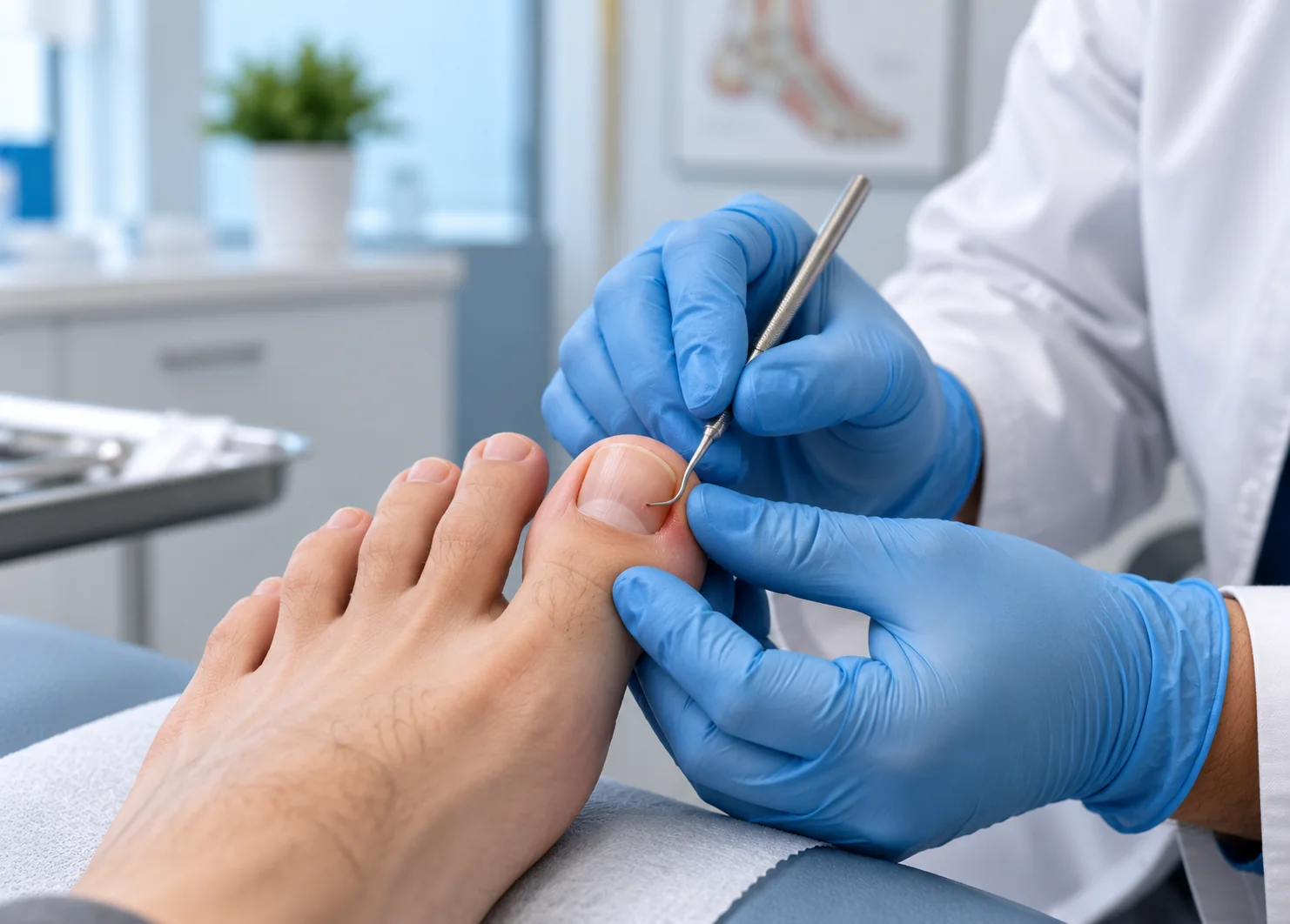


Ingrown toenail treatment evaluation in Knoxville, Tennessee
SPECIALIST-LED NAIL CARE · KNOXVILLE, TN

Ingrown Toenail Treatment
in Knoxville, TN

Care for painful, infected, or recurring ingrown toenails, evaluated and treated by a trusted local podiatry team.

Call (865) 329-3338
Whether it's your first ingrown toenail or one that keeps coming back, Knox Foot and Ankle can help you find relief.
Relief starts with the right evaluation.First-time · Infected · Recurring
INGROWN TOENAIL CARE

Relief for Painful and
Recurring Ingrown Toenails

An ingrown toenail can turn a small daily annoyance into real pain, especially when it becomes swollen, infected, or keeps coming back no matter what you try at home. Knox Foot and Ankle provides evaluation and treatment for ingrown toenails of every kind, from a first-time occurrence to a chronic, recurring problem.

Care is led by Dr. Abshan Malik, DPM, the lead doctor at Knox Foot and Ankle, who evaluates each case individually to determine the most appropriate, least invasive path to relief.

01Careful evaluation02Case-specific treatment03Clear aftercare
Ingrown toenail evaluation at Knox Foot and Ankle in Knoxville, TN
Individual evaluationCare shaped around your symptoms, health, and recurrence risk.
Clinical view of an ingrown toenail
NAIL EDGE → SKIN PRESSURE → INFLAMMATION
WHAT IS AN INGROWN TOENAIL?

Understanding
the Condition

An ingrown toenail happens when the edge or corner of a toenail grows into the surrounding skin instead of straight out over it. This can cause irritation, pressure, and, in many cases, a noticeable amount of pain.

Common symptoms include:

  • Pain along the side of the toenail
  • Redness
  • Swelling
  • Tenderness when wearing shoes
  • Drainage
  • Signs of infection
  • Overgrown skin near the nail edge
COMMON CAUSES OF INGROWN TOENAILS

Why Ingrown Toenails
Happen

Ingrown toenails can develop for a number of reasons, including:

NAIL
PRESSURE
  1. 01Trimming nails too short
  2. 02Rounding nail corners instead of cutting straight across
  3. 03Tight or narrow shoes
  4. 04Repeated pressure or trauma to the toe
  5. 05Sports or running
  6. 06Naturally curved toenails
  7. 07Toenail fungus or thickened nails
  8. 08A previous nail injury
  9. 09A family tendency toward curved nails
WHEN SHOULD YOU SEE A PODIATRIST?

Signs It's Time to
Schedule a Visit

Consider scheduling an appointment if you're experiencing:

  • Pain that doesn't improve
  • Redness or swelling
  • Drainage or pus
  • A toenail that keeps coming back
  • Difficulty wearing shoes
  • Pain while walking
  • Any signs of infection
  • Diabetes, poor circulation, neuropathy, or other immune concerns
Dr. Malik discussing an individual treatment plan
MildConservative guidanceRecurringDefinitive options
INGROWN TOENAIL TREATMENT OPTIONS

Treatment Based on
Your Specific Case

Treatment for an ingrown toenail depends on how severe it is and whether it's a first-time or recurring issue. Options may include:

  • Evaluation of the nail and surrounding skin
  • Conservative care for mild cases
  • Proper nail-trimming guidance
  • Soaking guidance, when appropriate
  • Footwear recommendations
  • Antibiotics, if infection requires them and it's appropriate
  • Partial nail removal (partial nail avulsion)
  • A permanent nail border procedure (matrixectomy) for recurring cases, when appropriate

Some procedures are designed to help reduce the likelihood of recurrence, though we can't promise a permanent result for every patient, Dr. Malik will walk you through what makes sense for your specific situation.

WHAT HAPPENS DURING AN INGROWN TOENAIL PROCEDURE?

What to Expect

We understand that in-office procedures can feel intimidating, so here's a general idea of what's involved:

  1. 01The toe is evaluated first to determine the extent of the problem
  2. 02Local numbing medicine may be used to keep you comfortable during the procedure
  3. 03The painful, ingrown portion of the nail may be removed
  4. 04If the ingrown toenail is recurring, the nail root area may be treated when appropriate to help reduce future episodes
  5. 05A dressing is applied to the toe afterward
  6. 06You'll receive clear aftercare instructions before you leave
  7. 07Follow-up care may be recommended depending on your specific case

We can't promise a completely painless experience or a specific healing timeline, but our goal is to make the process as comfortable and straightforward as possible.

!
INFECTED INGROWN TOENAILS

Recognizing
an Infection

Watch for these warning signs, which may indicate an infection:

  • Increasing redness
  • Swelling
  • Warmth
  • Drainage
  • Pus
  • Bad odor
  • Increasing pain
  • Red streaking extending from the toe
  • Fever
RECURRING INGROWN TOENAILS

Why Ingrown Toenails
Can Come Back

If you've dealt with the same ingrown toenail more than once, you're not alone, recurrence is common and can be related to:

If this sounds familiar, Dr. Malik can evaluate whether a more definitive nail border procedure may be an appropriate option to help reduce how often the problem returns.
Nail shapeRepeated pressure from shoes or activityImproper trimming over timeThick or fungal nailsPrior trauma to the toeIncomplete previous treatment
Gentle foot care for active children and teens
INGROWN TOENAIL CARE FOR CHILDREN AND TEENS

Gentle Care for
Younger Patients

Children and teens can develop ingrown toenails too, often from sports, tight shoes, nail-trimming habits, or a toe injury. If your child is complaining of toe pain or you've noticed redness or swelling, early treatment can help prevent the discomfort from worsening or turning into an infection. Our team aims to keep visits calm and reassuring for younger patients.
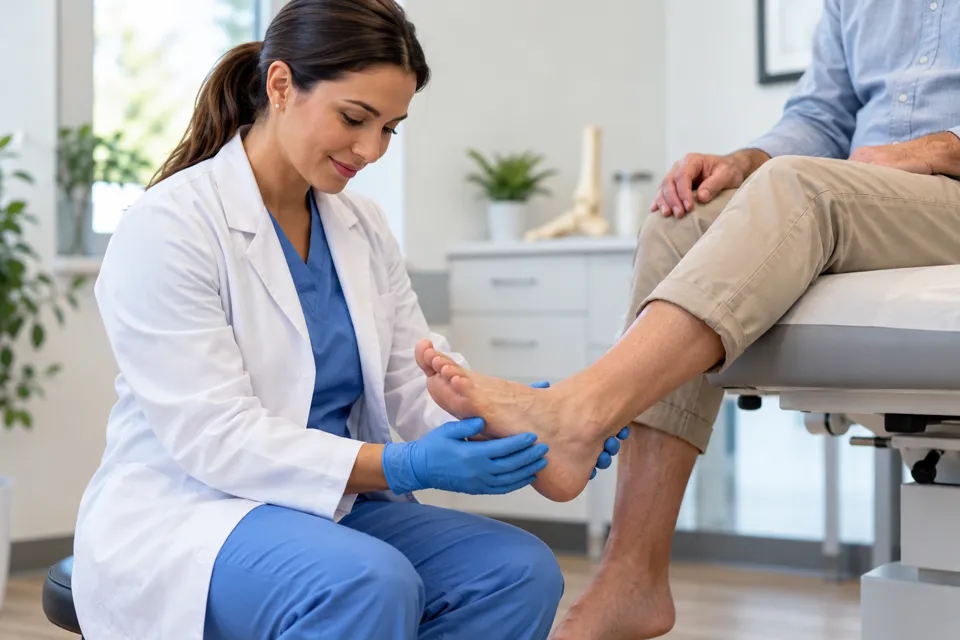

INGROWN TOENAILS AND DIABETES

Extra Care for
Diabetic Patients

Diabetes can reduce sensation and circulation in the feet, which means a seemingly small nail problem can become more serious if it's ignored. Diabetic patients should avoid digging into the nail at home and should seek prompt podiatry evaluation for any redness, drainage, wounds, or signs of infection near the toenail.

Learn More About Diabetic Foot Care →
Extra foot and nail care for diabetic patients
Practical habits that help prevent ingrown toenails
Small habits.
Meaningful protection.
HOW TO HELP PREVENT INGROWN TOENAILS

Practical
Prevention Tips

  1. Trim toenails straight across, rather than rounding the corners
  2. Avoid cutting nails too short
  3. Wear shoes with enough room for your toes
  4. Change out of shoes that cause pressure or rubbing
  5. Protect your toes during sports or physically demanding work
  6. Manage toenail fungus or thickened nails promptly
  7. Schedule care for a recurring problem rather than repeatedly digging at the nail yourself
Dr. Abshan Malik, DPM providing ingrown toenail treatment in Knoxville
CARE LED BYAbshan Malik, DPM, AACFASFellowship-Trained Foot and Ankle Surgeon
WHY CHOOSE US

Why Choose Knox Foot and Ankle for
Ingrown Toenail Treatment?

  • Led by Dr. Abshan Malik, DPM
  • Evaluation and treatment for painful, infected, and recurring ingrown toenails
  • Conservative and office-based treatment options
  • Careful attention to diabetic and high-risk patients
  • Clear aftercare instructions after every procedure
  • Warm, patient-first care
  • A local Knoxville podiatry practice serving East Tennessee
PATIENT EXPERIENCE

Trusted by Patients
Across Knoxville

Clear explanations, attentive care, and an experience centered around the patient.

4.7★★★★★172+ Google reviews
★★★★★
“We found this practice through an internet search. Turns out to be an outstanding choice.”
R JGOOGLE VERIFIED REVIEW
★★★★★
“I had a quick, and pleasant experience.”
Jaken MaxwellGOOGLE VERIFIED REVIEW
RELIEF STARTS HERE

Don't Wait Out the Pain,
Let's Take Care of It

Whether it's your first painful ingrown toenail or one that just won't stay away, Knox Foot and Ankle is here to help you find relief. Schedule a visit today and let us take a look.

Call (865) 329-3338
Knox Foot and Ankle · 2725 Asbury Rd, Suite 101, Knoxville, TN 37914 · (865) 329-3338
FREQUENTLY ASKED QUESTIONS

Frequently Asked Questions About Ingrown Toenail Treatment in Knoxville, TN

A little more about ingrown toenail care at Knox Foot and Ankle.

When should I see a podiatrist for an ingrown toenail?

If your ingrown toenail is painful, red, swollen, draining, or keeps coming back, it's a good time to schedule an evaluation, especially if home care hasn't helped.

Can Knox Foot and Ankle treat infected ingrown toenails?

Yes. We evaluate and treat infected ingrown toenails, which may include antibiotics or an in-office procedure depending on severity.

Is ingrown toenail removal done in the office?

Yes. Most ingrown toenail procedures, including partial nail removal, can be performed right in our office.

Why does my ingrown toenail keep coming back?

Recurrence can be related to nail shape, repeated pressure, trimming habits, thickened or fungal nails, or incomplete prior treatment. A more definitive procedure may be an option for chronic cases.

Can children get ingrown toenails?

Yes. Children and teens can develop ingrown toenails from sports, tight shoes, trimming habits, or injury, and early treatment can help prevent worsening symptoms.

Should diabetic patients see a podiatrist for ingrown toenails?

Yes. Diabetic patients should avoid home treatment and seek prompt evaluation, since reduced sensation and circulation can allow small problems to become more serious.

Can I treat an ingrown toenail at home?

Mild cases may improve with proper trimming and soaking, but persistent pain, infection, or diabetes-related concerns should be evaluated by a podiatrist rather than treated aggressively at home.

How do I prevent ingrown toenails?

Trimming nails straight across, wearing properly fitted shoes, and addressing thickened or fungal nails early can all help reduce your risk.

How do I schedule ingrown toenail treatment in Knoxville?

You can call us at (865) 329-3338 or request an appointment online through our website.