
“I recently had bunion surgery with Dr. Malik and I m really glad I chose his office. He took the time to explain everything clearly and answered all my questions, which I really appreciated. The staff was friendly and helpful the whole time, and everything from scheduling to surgery day to follow up visits went smoothly. Overall it was a great experience and I d go back here again if I ever needed anything.”Zy Le4 months ago · GOOGLE VERIFIED REVIEW
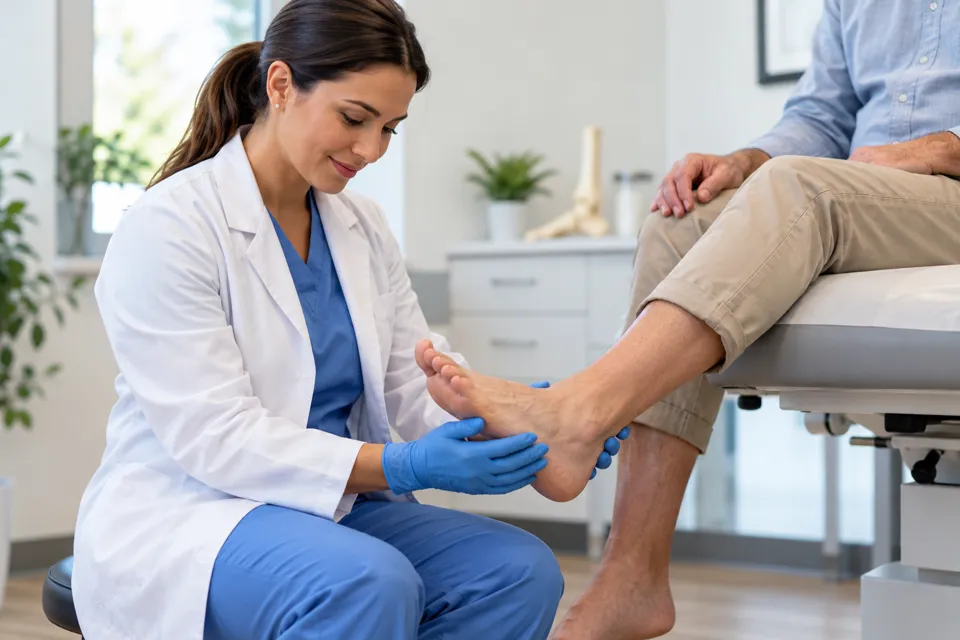
PREVENTIVE · HIGH-RISK · LIMB-PRESERVATION CAREDiabetic Foot Care
Diabetic Foot Care
in Knoxville, TN
Preventive, high-risk, wound, and limb-preservation care designed to identify concerns early and protect long-term foot health.
Fellowship-Trained SurgeonHigh-Risk Foot MonitoringDiabetic Limb Preservation
Early attention.
Long-term protection.
Long-term protection.
DIABETIC FOOT CAREDedicated Diabetic Foot Care
Dedicated Diabetic Foot Care
in Knoxville
Diabetes can affect sensation, circulation, skin health, wound healing, and foot structure. Regular foot evaluations can help identify concerns early, reduce avoidable complications, and support mobility and long-term foot health.
GOOGLE REVIEWSTrusted Diabetic Foot Care
Trusted Diabetic Foot Care
in Knoxville
See what patients say about their experience at Knox Foot and Ankle.
4.7★★★★★172+ Google reviews
“I've had an ingrown toenail for 3 years and have had it removed 4 times during the years, each time it grew back and never healed. I went and saw Dr. Malik and his awesome assistant, Summer and receptionist Kelly. Dr. Malik did the procedure and 2 weeks later I feel like this is the best decision I've made all year. I am now pain free and couldn't be happier. Thank you all so much.”Seth Kessler2 weeks ago · GOOGLE VERIFIED REVIEW
“My mom is a diabetic and developed an infection on her toe that I was concerned about spreading. I called around several places including her regular doctor and no one either called me back or had any openings. This place did and they were great. I was especially thankful for the woman working the phones who got my mom in the next day.”Heather Webb2 years ago · GOOGLE VERIFIED REVIEW
 Fellowship-Trained
Foot and Ankle Surgeon
SPECIALIST-LED DIABETIC FOOT CAREExpertise Focused on
Expertise Focused on
Protecting High-Risk Feet
Abshan Malik, DPM, AACFAS
He evaluates sensation changes, pressure points, skin and nail concerns, wounds, structural changes, and other diabetes-related risks. Care is personalized around each patient’s medical history, current foot health, mobility needs, and risk of future complications, with an emphasis on early intervention and limb preservation.
Preventive diabetic foot evaluationsNeuropathy and pressure-risk assessmentWound and ulcer evaluationCharcot foot careLimb-preservation planningOngoing high-risk foot monitoring

WHY DIABETIC FOOT CARE MATTERSUnderstanding Diabetes
Understanding Diabetes
and Foot Health
Diabetes may affect circulation and wound healing, and neuropathy can reduce the ability to feel cuts, blisters, or pressure points. Changes in skin and nail health, pressure distribution, infection risk, and foot structure also deserve attention.
A small injury may go unnoticed when protective sensation is reduced. Regular foot checks and appropriate evaluation can help identify changes before they become more serious.
SensationCirculationSkin HealthFoot Structure
DIABETIC FOOT CONDITIONS WE TREATCommon Diabetes-Related
Common Diabetes-Related
Foot Concerns
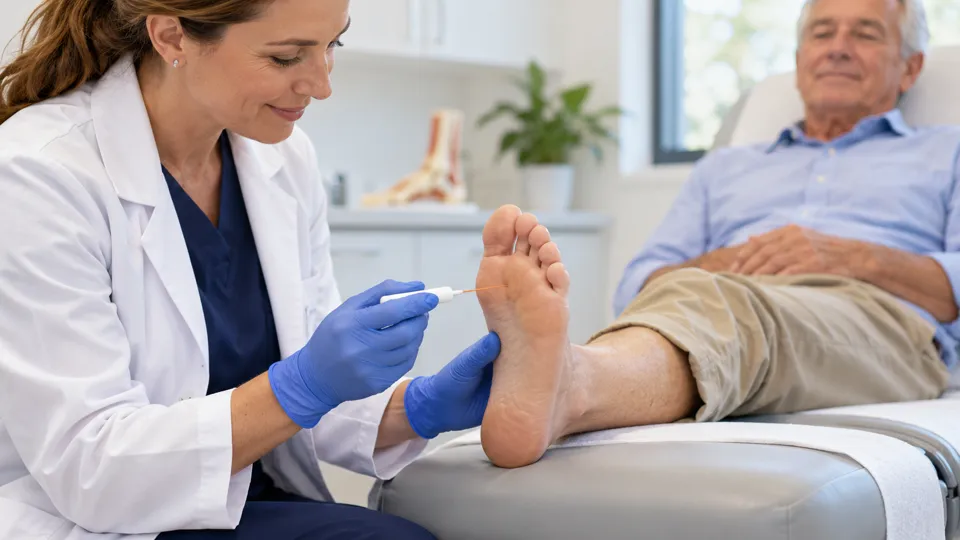
Nerve and Circulation
Changes That Can Be Easy to Miss
Nerve and Circulation
- Diabetic Peripheral Neuropathy
- nerve damage causing numbness, tingling, burning, or reduced sensation
- Poor Circulation Concerns
- reduced blood flow affecting healing
- Diabetic Limb Preservation Concerns
- ongoing care aimed at protecting long-term mobility
- Charcot Foot (Charcot Neuroarthropathy)
- a serious condition affecting bone and joint structure
Wounds and Pressure
- Diabetic Foot Ulcers
- open sores that can develop from unnoticed pressure or injury
- Slow-Healing Wounds
- wounds that take longer to heal due to circulation or nerve changes
- Foot Infections
- bacterial infections that can develop in wounds or damaged skin
- Calluses and Pressure Points
- areas of thickened skin that may signal uneven pressure
Skin, Nails and Structure
- Corns and Skin Breakdown
- friction-related skin changes that need monitoring
- Toenail Problems, Including Ingrown Toenails
- which can become entry points for infection
- Toenail Fungus
- common in diabetic patients and worth monitoring
- Dry, Cracked Skin
- which can crack and create openings for infection
- Diabetes-Related Foot Deformity
- changes in foot shape over time
For more on ulcer evaluation and treatment, see our diabetic foot ulcer and wound care page.
PREVENTIVE DIABETIC FOOT EXAMSWhat Happens During a
What Happens During a
Diabetic Foot Exam
A diabetic foot exam helps assess current foot health and risk. Depending on your needs, it may include:
- 01Review of diabetes and medical history
- 02Skin and nail assessment
- 03Sensation testing
- 04Circulation screening
- 05Pressure-point evaluation
- 06Foot structure and deformity assessment
- 07Footwear review
- 08Wound-risk assessment
- 09Personalized follow-up recommendations
Your visit may also include guidance on checking your feet at home and when to arrange further care.
DIABETIC NEUROPATHY FOOT CAREManaging Neuropathy and
Managing Neuropathy and
Protecting Your Feet
Neuropathy can cause numbness, burning, tingling, or a loss of protective sensation in the feet. Because of this, injuries can go unnoticed for longer than they would otherwise, which is part of why routine podiatric care matters so much for patients with neuropathy.
Daily foot inspection can help you spot unnoticed injuries. Care may involve reducing pressure, choosing appropriate footwear, and regular monitoring based on your symptoms and risk. These steps help protect your feet; they do not promise to restore lost sensation.
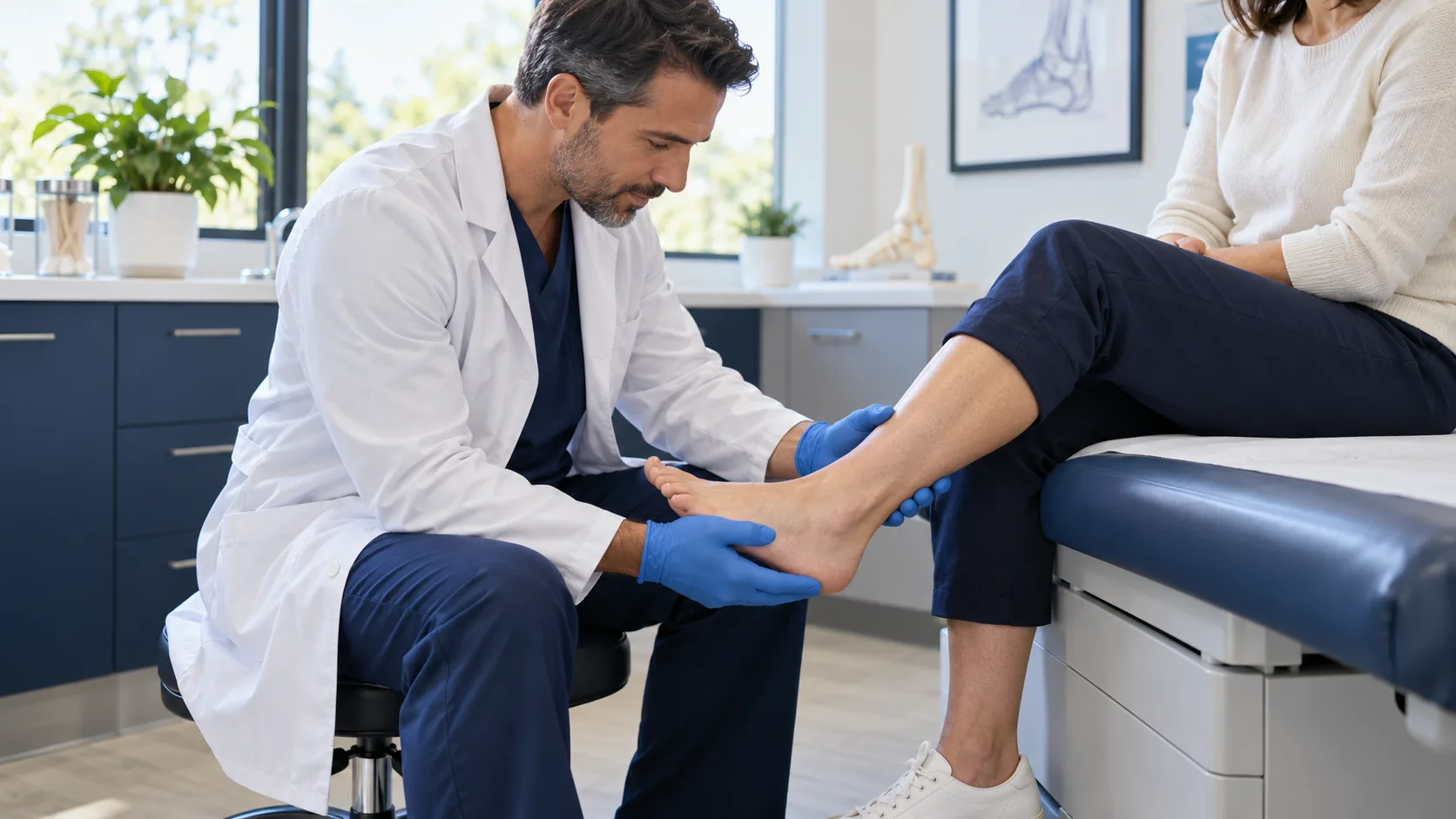
Daily awareness mattersLook · Feel · Protect · Monitor

DIABETIC WOUND CARE AND ULCER TREATMENTCareful, Attentive
Careful, Attentive
Wound Care
If you have a diabetic wound or ulcer, prompt evaluation matters. Our wound care approach may include:
- Evaluation of the wound or ulcer
- Debridement, when appropriate
- Advanced wound dressings, when appropriate
- Offloading to relieve pressure on the affected area
- Infection monitoring
- Imaging or additional testing, when needed
- Coordination with other providers if circulation, infection, or broader health concerns are involved
- Ongoing follow-up and wound monitoring
- Footwear recommendations and limb-preservation planning
Care aims to support healing and protect high-risk areas, but outcomes and healing times vary. Follow-up and limb-preservation planning are tailored to each patient.

!Early attention can protect your foot health.
INFECTION PREVENTION AND WHEN TO SEEK URGENT CAREWarning Signs
Warning Signs
to Watch For
Contact a medical provider promptly if you notice a new concern, including:
- New wound, cut, blister, or sore
- Redness or warmth
- Swelling
- Drainage
- Odor
- Sudden increase in pain
- Fever with a foot wound
- Black or discolored skin, or other skin-color changes
- A wound that is not healing
- New deformity or a sudden change in foot shape
- Spreading redness or streaking
- New numbness, burning, tingling, or other sensation changes
- New shoe rubbing or irritation
CHARCOT FOOT AND LIMB PRESERVATIONUnderstanding
Understanding
Charcot Foot
Charcot foot may involve weakening and injury of bones and joints. Warmth, swelling, redness, instability, or a change in foot shape can be warning signs; pain may be limited when neuropathy is present. These symptoms can have other causes, but early evaluation is important.
Treatment may involve immobilization, offloading, bracing, custom footwear, ongoing monitoring, or surgery when appropriate. The goal is to protect the foot and help prevent further injury.

DIABETIC SHOES, ORTHOTICS, AND OFFLOADINGSupportive Devices That Help
Supportive Devices That Help
Protect Your Feet
Footwear and pressure management may help protect high-risk areas. Depending on your needs, options may include:

PERSONALIZED SUPPORTSelected around your foot structure, pressure points, and mobility needs.
- 01Diabetic footwear
- 02Custom Orthotics
- 03Bracing
- 04Offloading devices, including CAM boots or total contact casting when appropriate
- 05Protective padding and pressure reduction
- 06Wound-care footwear when appropriate
Devices are selected based on foot structure, risk factors, and any wounds or pressure points—not every patient needs each option.


PERSONALIZED DIABETIC FOOT CARE PLANSCare Built Around Your
Care Built Around Your
Whole Health Picture
Your care plan may consider:
Diabetes management and medical historyNeuropathy and circulation concernsKidney or other health conditionsMobility and footwear needsPrevious wounds and current medicationsAbility to perform daily foot careCoordination with primary care, endocrinology, vascular care, or wound care specialists when needed
WHY CHOOSE USWhy Choose Knox Foot and Ankle
Why Choose Knox Foot and Ankle
for Diabetic Foot Care?
01Specialist-led care with prevention and limb preservation at its center.
Specialist-led diabetic foot evaluationsPreventive and high-risk monitoringWound and pressure managementCharcot and complex-foot expertiseLimb-preservation focusPersonalized treatment planningConservative and surgical optionsClear follow-up guidance
Protect Your Foot Health—
Start With a Visit
If you have diabetes, regular foot evaluations and early attention to new concerns can help protect your mobility and long-term foot health.
Same-day appointments may be available.Knox Foot and Ankle · 2725 Asbury Rd, Suite 101, Knoxville, TN 37914 · (865) 329-3338 · Get Directions
FREQUENTLY ASKED QUESTIONS
Frequently Asked Questions About Diabetic Foot Care in Knoxville, TN
A little more about diabetic foot care at Knox Foot and Ankle.
Why is diabetic foot care important?
Diabetes can reduce circulation and damage nerves in the feet, making it harder to notice injuries early. Regular foot care helps catch small problems before they become serious.
How often should people with diabetes see a podiatrist?
Most diabetic patients benefit from at least one preventive foot exam per year, though your provider may recommend more frequent visits depending on your risk factors.
Does Knox Foot and Ankle treat diabetic foot ulcers?
Yes. We evaluate and treat diabetic foot ulcers, including debridement, offloading, dressing changes, and infection monitoring as needed.
What are signs of a diabetic foot infection?
Signs can include redness, swelling, warmth, drainage, odor, increasing pain, or fever. Any of these symptoms should be evaluated promptly.
Can diabetes cause numbness or burning in the feet?
Yes. This is a common symptom of diabetic peripheral neuropathy, caused by nerve damage related to diabetes.
What is a diabetic foot exam?
A diabetic foot exam evaluates your skin, nails, circulation, nerve sensation, foot shape, and footwear to help catch potential problems early.
Does Knox Foot and Ankle help with diabetic shoes or orthotics?
Yes. We offer guidance on diabetic shoes, custom inserts, and orthotics designed to protect high-risk areas of the foot.
What is Charcot foot?
Charcot foot is a serious condition where nerve damage can cause the bones and joints in the foot to weaken and change shape. Early diagnosis and treatment are important.
How do I schedule diabetic foot care in Knoxville?
You can call us at (865) 329-3338 or request an appointment online through our website.