
“I recently had bunion surgery with Dr. Malik and I m really glad I chose his office. He took the time to explain everything clearly and answered all my questions, which I really appreciated. The staff was friendly and helpful the whole time, and everything from scheduling to surgery day to follow up visits went smoothly. Overall it was a great experience and I d go back here again if I ever needed anything.”Zy Le4 months ago · GOOGLE VERIFIED REVIEW
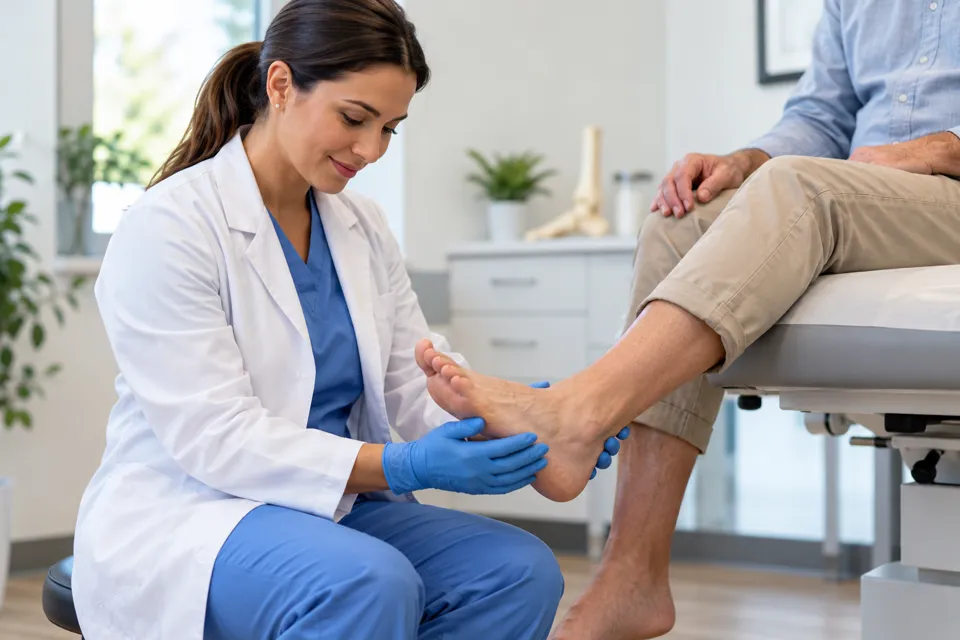
DIABETIC WOUND CARE · OFFLOADING · LIMB PRESERVATIONDiabetic Foot Ulcer Treatment
Diabetic Foot Ulcer Treatment
and Wound Care in Knoxville, TN
Compassionate, experienced care for diabetic foot wounds, from early evaluation to infection monitoring, offloading, and limb preservation.
Diabetic wounds, slow-healing sores, and pressure-related ulcers need prompt, careful attention, Knox Foot and Ankle is here to help.Prompt EvaluationPressure ReliefClose MonitoringLimb Preservation

01Notice a change
WHY DIABETIC FOOT WOUNDS NEED PROMPT CAREUnderstanding Why
Understanding Why
Early Action Matters
Diabetes can reduce circulation and damage nerves in the feet, which means a wound that would normally be painful and obvious can go unnoticed for longer than expected. Patients may not feel a cut, a blister, or ongoing pressure the way they otherwise would. If pressure or irritation continues, a small wound can worsen, and infection can develop more quickly in high-risk patients than many people realize.
The good news is that early evaluation can meaningfully help reduce the risk of complications, which is exactly why prompt care matters so much for diabetic foot wounds.
Reduced sensation→Unnoticed pressure→Wound risk
GOOGLE REVIEWSTrusted Diabetic Foot and
Trusted Diabetic Foot and
Wound Care in Knoxville
See what patients say about their experience at Knox Foot and Ankle.
4.7★★★★★172+ Google reviews
“I've had an ingrown toenail for 3 years and have had it removed 4 times during the years, each time it grew back and never healed. I went and saw Dr. Malik and his awesome assistant, Summer and receptionist Kelly. Dr. Malik did the procedure and 2 weeks later I feel like this is the best decision I've made all year. I am now pain free and couldn't be happier.”Seth Kessler2 weeks ago · GOOGLE VERIFIED REVIEW
“My mom is a diabetic and developed an infection on her toe that I was concerned about spreading. This place got my mom in the next day. Dr. Ackerman was wonderful!!! She will be back.”Heather Webb2 years ago · GOOGLE VERIFIED REVIEW
Fellowship-Trained SurgeonAdvanced Foot and Ankle CareDiabetic Limb PreservationSame-Day Appointments May Be Available
SPECIALIST-LED DIABETIC WOUND CAREFocused Care for
Focused Care for
Diabetic Foot Wounds
Abshan Malik, DPM, AACFAS
Fellowship-Trained Foot and Ankle Surgeon
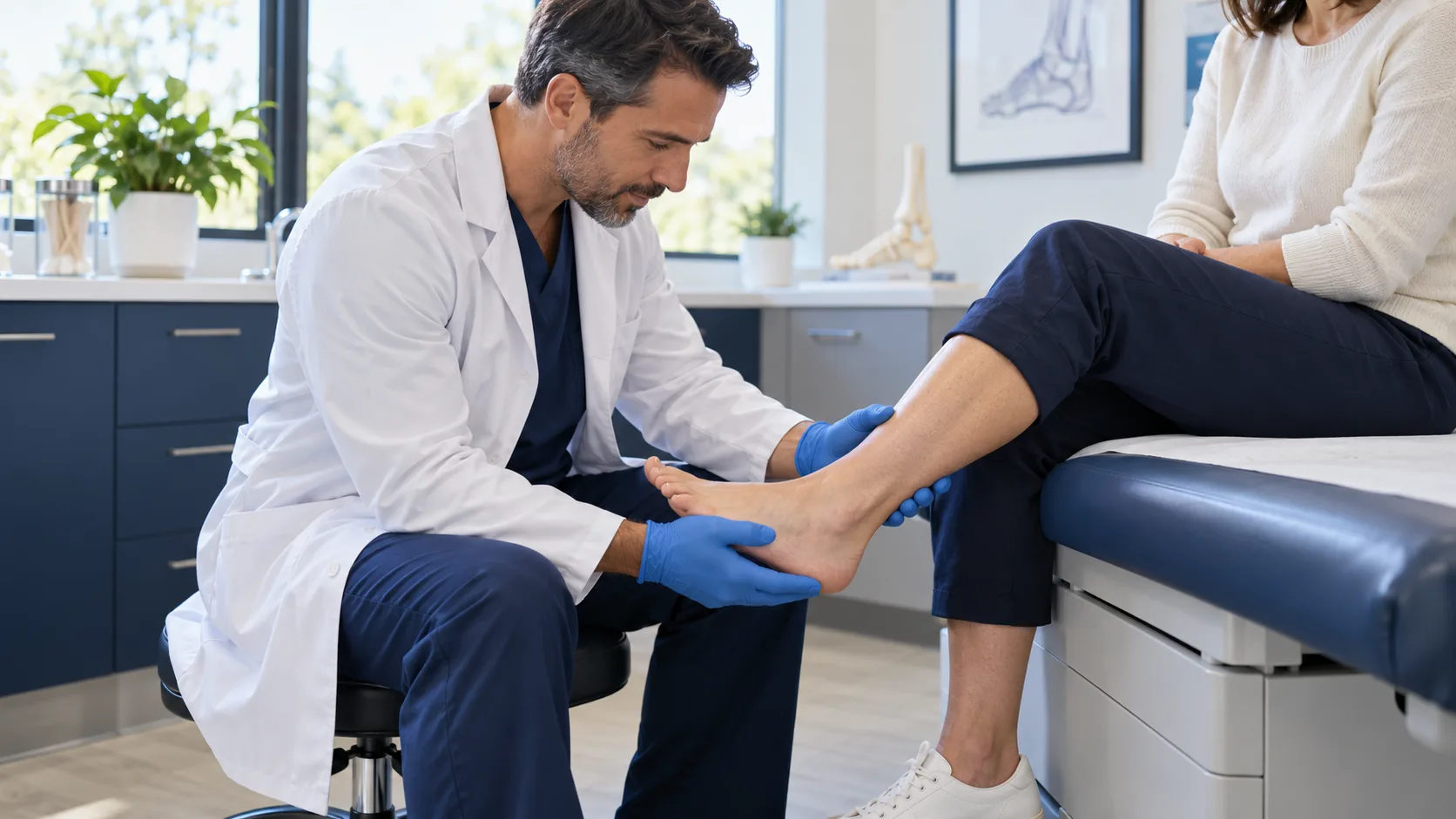
He evaluates diabetic foot wounds, pressure points, neuropathy, structural concerns, infection risks, and other factors that may affect healing. Each treatment plan is tailored to the wound, the patient’s overall health, mobility needs, and risk of complications, with an emphasis on pressure reduction, close monitoring, and limb preservation.
Diabetic wound and ulcer evaluationPressure reduction and offloadingInfection-risk monitoringNeuropathy and high-risk foot assessmentLimb-preservation planningOngoing wound follow-up
 Specialist-led care
from evaluation through follow-up
01Blister, callus, cut, or pressure spot
02Open sore or wound
03Deeper wound or infection risk
WHAT IS A DIABETIC FOOT ULCER?Understanding
Understanding
the Condition
A diabetic foot ulcer is an open sore or wound that commonly develops on the bottom of the foot, the toes, the heel, or other pressure areas in people with diabetes. Ulcers may begin as something that seems minor, a blister, a callus, a small cut, or an irritated pressure spot.
Because neuropathy can reduce sensation, the wound may be painless at first, even as it develops. Without proper care, wounds can become deeper or infected over time, which is why diabetic ulcers require careful evaluation and ongoing monitoring rather than a wait-and-see approach.
COMMON SIGNS OF A DIABETIC FOOT WOUND OR ULCERWhat to
What to
Watch For
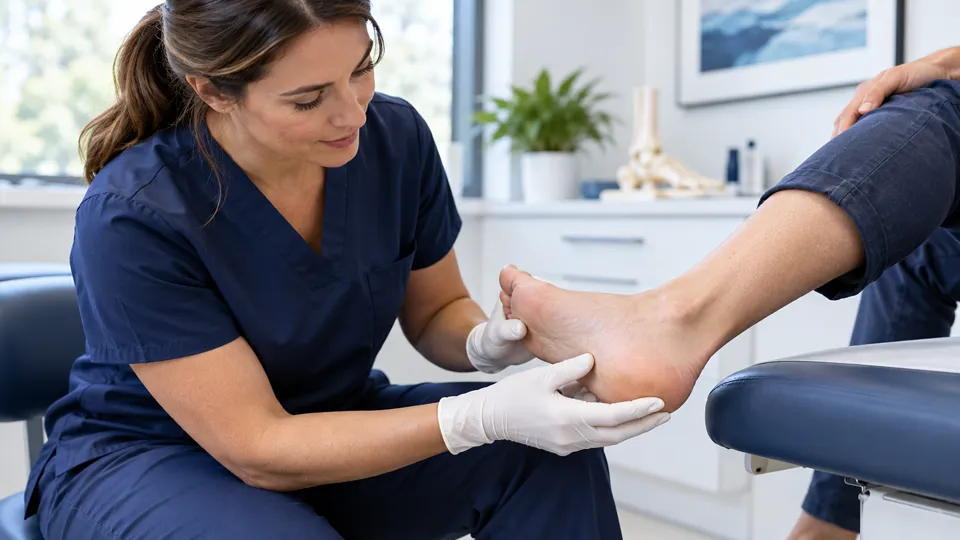
Some diabetic foot wounds may not hurt because of nerve damage, so it's important to watch for visual and other signs, including:
- An open sore on the foot or toe
- A wound that isn't healing
- Drainage on socks
- Redness around the wound
- Swelling
- Warmth
- Bad odor
- A callus with a dark or soft center
- Skin breakdown under a callus
- Black, blue, or discolored skin
- Increasing pain or tenderness
- Fever or feeling unwell
- A wound that gets larger or deeper
- Drainage, pus, or bleeding
!
INFECTION WARNING SIGNS AND WHEN TO SEEK URGENT CARERecognizing a
Recognizing a
Medical Emergency
Seek prompt medical attention if you notice:
- Spreading redness
- Increasing swelling
- Warmth around the wound
- Drainage or pus
- Bad odor
- Fever or chills
- Red streaking
- Black or dead-looking skin
- A sudden increase in pain
- A rapidly worsening wound
- Confusion, weakness, or feeling very ill
- Exposed bone, tendon, or deep tissue
COMMON CAUSES OF DIABETIC FOOT ULCERSUnderstanding
Understanding
Risk Factors
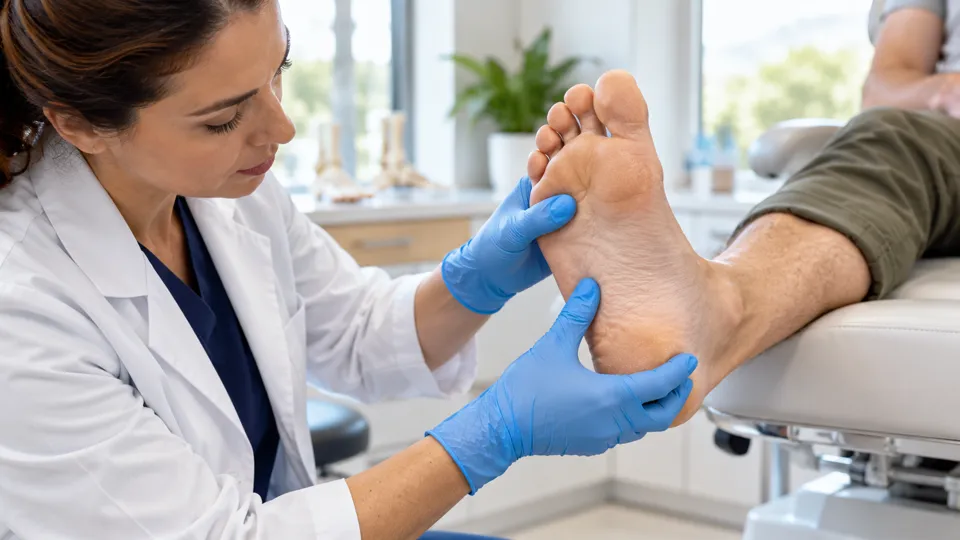
Diabetic foot ulcers can develop due to a combination of factors, including:
- Neuropathy, or loss of protective sensation
- Poor circulation
- Pressure from shoes
- Calluses and pressure points
- Foot deformities
- Bunions or hammertoes
- Charcot foot changes
- Dry, cracked skin
- Ingrown toenails or nail trauma
- Minor cuts or blisters
- Walking barefoot
- Poorly fitting shoes
- A previous ulcer history
- General infection risk
- Diabetes control and overall health factors
DIAGNOSING DIABETIC FOOT WOUNDS AT KNOX FOOT AND ANKLEA Thorough
A Thorough
Evaluation
Proper diagnosis helps guide your entire wound care plan. Our evaluation typically includes:
- 01Review of your diabetes history and wound history
- 02A foot and wound exam
- 03Measurement of wound size and depth
- 04Checking for drainage, odor, redness, swelling, or other infection signs
- 05Evaluation of skin, nails, calluses, and pressure areas
- 06Neuropathy screening
- 07Circulation assessment
- 08Foot structure and pressure evaluation
- 09Digital X-rays or imaging, when needed
- 10Wound culture or lab testing, when appropriate
- 11Referral or coordination with vascular, primary care, endocrinology, infectious disease, or wound care specialists, when needed

DIABETIC FOOT WOUND CARE TREATMENT OPTIONSA Comprehensive Approach
A Comprehensive Approach
to Healing
Depending on your wound and overall health, treatment may include:
- Wound cleaning and evaluation
- Debridement, when appropriate
- Removal of unhealthy tissue, when appropriate
- Specialized dressings, when appropriate
- Moisture balance and wound protection
- Offloading pressure from the wound
- Padding or protective devices
- A CAM boot, surgical shoe, or other offloading device, when appropriate
- Infection monitoring
- Antibiotics, when medically appropriate
- Follow-up visits to monitor healing
- Diabetic footwear guidance
- Coordination with other providers, when needed
Every wound heals differently based on individual health factors, so we're not able to guarantee healing or provide an exact treatment timeline.
OFFLOADING AND PRESSURE RELIEFWhy Reducing
Why Reducing
Pressure Matters
Many diabetic foot ulcers develop over pressure points, and continuing to walk on a wound can slow healing or make it worse. Offloading means reducing pressure on the affected area to give it the best chance to heal. Options may include padding, braces, boots, special shoes, inserts, or other protective devices. The right offloading plan depends on the wound's location, your foot shape, your activity level, and overall safety.
Explore custom orthotics
LocateRedistributeProtect

Daily protectionSmall habits can help identify concerns earlier.
PREVENTING DIABETIC FOOT ULCERSPractical Steps to
Practical Steps to
Protect Your Feet
- Check your feet daily
- Look between your toes and under your feet
- Avoid walking barefoot
- Wear properly fitting shoes
- Change socks daily
- Keep skin moisturized, but avoid moisture between the toes
- Do not cut calluses or corns at home
- Trim nails carefully, or see a podiatrist if you're high-risk
- Report redness, blisters, wounds, or drainage early
- Schedule routine diabetic foot exams
- Use diabetic shoes or inserts if recommended
- Manage blood sugar and overall health with your full care team
WHY CHOOSE USWhy Choose Knox Foot and Ankle for Wound Care and
Why Choose Knox Foot and Ankle for Wound Care and
Diabetic Foot Ulcers?
Specialist-led care designed around the wound, the whole patient, and the goal of protecting long-term mobility.
FocusedEvaluationPersonalizedPlanningOngoingMonitoring
- Specialist-led wound evaluation
- Pressure reduction and offloading
- High-risk diabetic foot monitoring
- Infection awareness and close follow-up
- Limb-preservation focus
- Personalized treatment planning
- Coordination with broader medical care
- Clear patient guidance
Don’t Wait to Address a
Diabetic Foot Wound
Early evaluation of a diabetic foot wound can help identify infection risks, reduce pressure, and determine the next steps for treatment and monitoring.
Same-day appointments may be available.Knox Foot and Ankle · 2725 Asbury Rd, Suite 101, Knoxville, TN 37914 · (865) 329-3338
FREQUENTLY ASKED QUESTIONS
Frequently Asked Questions About Diabetic Foot Ulcer Treatment and Wound Care in Knoxville, TN
A little more about diabetic foot ulcer treatment and wound care at Knox Foot and Ankle.
What is a diabetic foot ulcer?
A diabetic foot ulcer is an open sore or wound that commonly develops on the bottom of the foot, toes, or heel in people with diabetes, often starting from a blister, callus, or minor injury.
When should I see a podiatrist for a diabetic foot wound?
Any new sore, wound that isn't healing, drainage, redness, or skin change should be evaluated promptly, since diabetic wounds can worsen quickly if untreated.
What are signs of an infected diabetic foot ulcer?
Signs include spreading redness, swelling, warmth, drainage, odor, fever, increasing pain, or red streaking, any of these warrant prompt medical attention.
Why do diabetic foot wounds heal slowly?
Reduced circulation and nerve damage from diabetes can both slow the healing process and make wounds harder to detect early.
What is offloading for a diabetic foot ulcer?
Offloading means reducing pressure on the wound, often using padding, braces, boots, or special shoes, to give the area the best chance to heal.
Does Knox Foot and Ankle provide diabetic wound care?
Yes. We provide evaluation, debridement, offloading, infection monitoring, and coordinated care for diabetic foot wounds and ulcers.
Can calluses turn into diabetic foot ulcers?
Yes. A callus can hide pressure damage or skin breakdown underneath, which is why calluses in diabetic patients should be evaluated by a professional rather than treated at home.
What is diabetic limb salvage?
Diabetic limb salvage refers to treatment aimed at preserving a limb affected by wounds, infection, or Charcot changes, which may involve wound care, offloading, and surgery when appropriate.
How often should diabetic foot wounds be checked?
This depends on the wound's severity and your individual risk factors, your care team will recommend a monitoring schedule specific to your situation.
How do I schedule wound care in Knoxville?
You can call us at (865) 329-3338 or request an appointment online through our website. If you're experiencing severe infection symptoms, please seek urgent or emergency care right away.