
“I recently had bunion surgery with Dr. Malik and I'm really glad I chose his office. He took the time to explain everything clearly and answered all my questions.”

TOE ALIGNMENT CARE · KNOXVILLE, TNHammertoe Correction
Hammertoe Correction
in Knoxville, TN
Relief for painful, curled, or stiff toes, from shoe pressure and corns to surgical correction, with a treatment plan built around your foot.
Flexibility assessedPressure evaluatedCorrection personalized

HAMMERTOE CORRECTIONSpecialist-Led
Specialist-Led
Hammertoe Care
Abshan Malik, DPM, AACFAS
Fellowship-Trained Foot and Ankle Surgeon
He evaluates toe position, flexibility, joint stiffness, pressure points, corns, calluses, footwear irritation, forefoot alignment, and related conditions that may contribute to hammertoe symptoms. Treatment is based on the severity of the deformity, symptoms, activity needs, foot structure, and overall health, with conservative care considered when appropriate and surgical correction discussed when symptoms or rigidity warrant it.
WHAT IS A HAMMERTOE?Understanding
Understanding
the Condition
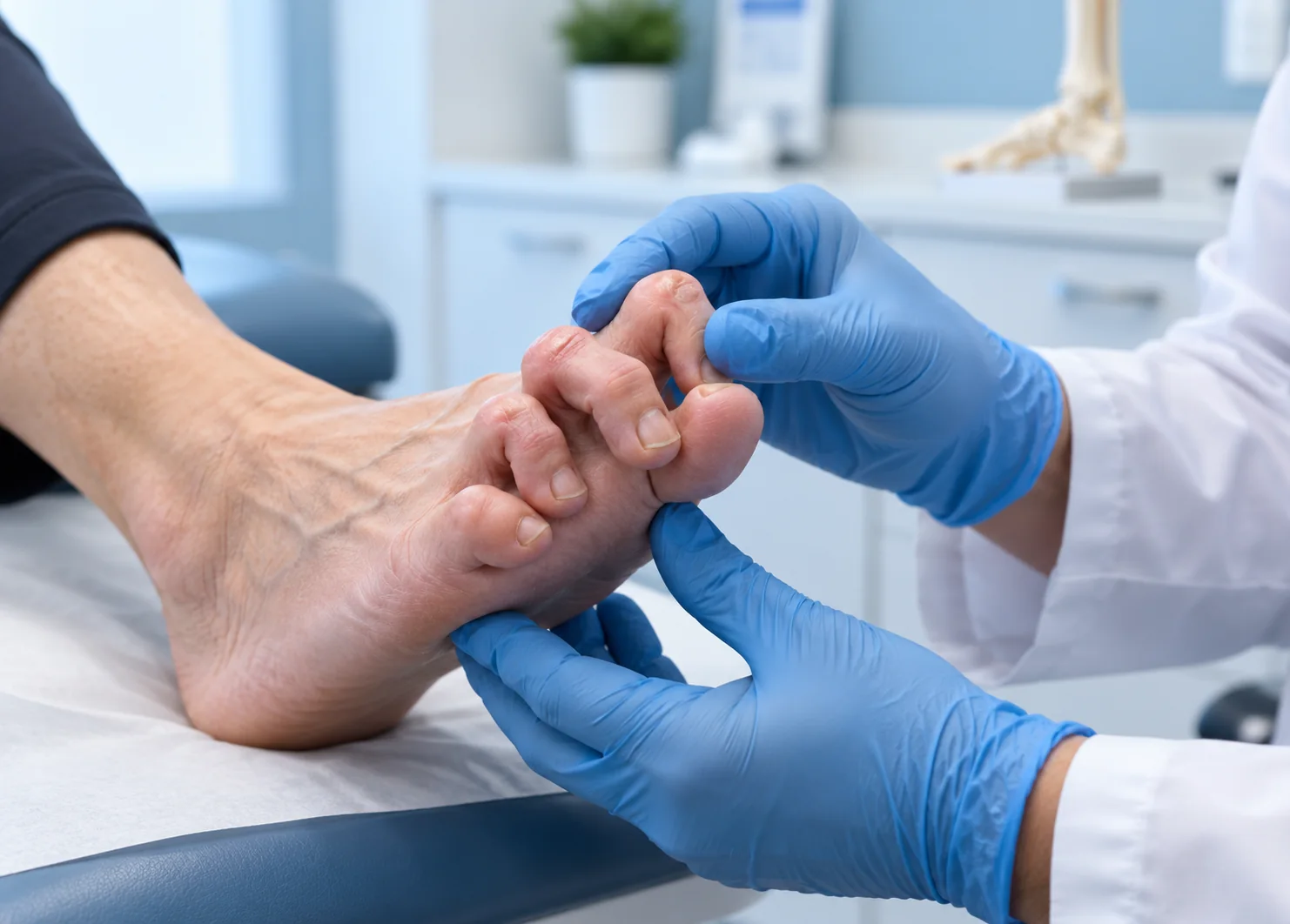
A hammertoe is a toe deformity in which one or more toes bend abnormally at the middle joint, often causing the toe to curl downward or rub against the top of your shoes. Hammertoes can be flexible at first, meaning the toe can still be straightened, but they may become more rigid over time if the condition progresses without treatment.
JOINT POSITIONSHOE PRESSURETOE FUNCTION
GOOGLE REVIEWSTrusted Foot and Ankle
Trusted Foot and Ankle
Care in Knoxville
See what patients say about their experience at Knox Foot and Ankle.
4.7★★★★★172+ Google reviews
“Dr. Abshan Malik took excellent care of me and my family, with our medical needs with exceptional expertise. We are truly blessed to have him serving the Knoxville community as a podiatrist.”
“Dr. Malik and Ms. Melanie were fantastic. I was extremely anxious prior to arriving to the office but they made me feel so comfortable.”
Fellowship-Trained SurgeonAdvanced Foot and Ankle CareIndividual Treatment PlanningSame-Day Appointments May Be Available
COMMON SYMPTOMS OF HAMMERTOESRecognizing
Recognizing
Hammertoe Symptoms
Symptoms can range from mild shoe irritation to pain that affects daily walking and activity. Common signs include:
PRESSURE
POINTSTop of toe · Ball of foot · Between toes
POINTSTop of toe · Ball of foot · Between toes
- Curled, bent, or contracted toes
- Toe pain or tenderness
- Corns on the top of the toe
- Calluses under the ball of the foot
- Redness or irritation from shoes
- Difficulty wearing certain shoes
- Pain while walking or standing
- Stiffness in the toe joint
- Toe crowding
- Open sores or skin breakdown in high-risk patients
- Pain occurring alongside bunions or other forefoot deformities
WHAT CAUSES HAMMERTOES?Common Causes and
Common Causes and
Contributing Factors
Hammertoes can develop for several reasons, including:
Structure, muscle balance, shoe pressure, and related health conditions can all influence how a hammertoe develops and progresses.
- 01Muscle or tendon imbalance
- 02Foot structure and inherited mechanics
- 03Bunions or toe crowding
- 04Tight or narrow shoes
- 05High heels or shoes that force the toes forward
- 06Arthritis
- 07Previous toe injury
- 08Neuromuscular conditions
- 09Flat feet or high arches
- 10Diabetes-related nerve changes
- 11Progressive changes in toe alignment over time
FLEXIBLE VS. RIGID HAMMERTOESUnderstanding
Understanding
the Progression
Hammertoes generally fall into two categories:
Flexible hammertoes
can still move at the joint and may be easier to manage with conservative care.
More movement
→
Rigid hammertoes
are stiffer, harder to straighten, and often require a different treatment approach.
Less movement
Treatment options depend on flexibility, pain level, skin irritation, foot structure, and your personal goals. Early evaluation can help you understand your options before the deformity becomes more difficult to manage.
WHEN SHOULD YOU SEE A PODIATRIST FOR A HAMMERTOE?Signs It's Time to
Signs It's Time to
Schedule a Visit
Consider scheduling an appointment if you're experiencing:
- Toe pain that keeps returning
- Corns or calluses from shoe pressure
- Difficulty wearing shoes
- Toe stiffness or worsening deformity
- Pain under the ball of the foot
- Toe crowding alongside a bunion
- Redness, swelling, or skin irritation
- Open sores or wounds
- Diabetes, neuropathy, or circulation concerns
- Interest in exploring non-surgical or surgical correction options
DIAGNOSING HAMMERTOESA Thorough Evaluation Before
A Thorough Evaluation Before
Any Treatment Plan
Accurate diagnosis matters because hammertoe treatment depends on severity, flexibility, joint position, skin condition, and your goals. Our evaluation typically includes:
- 01Symptoms
Review of your symptoms and footwear concerns
- 02Exam
A thorough foot and ankle exam
- 03Flexibility
Evaluation of toe flexibility and alignment
- 04Skin
Checking for corns, calluses, wounds, or skin breakdown
- 05Structure
Assessment of bunions, flat feet, high arches, or related deformities
- 06Pressure
Evaluation of gait and pressure areas, when appropriate
- 07Imaging
Digital X-rays or imaging, when needed
- 08Options
A discussion of both conservative and surgical treatment options
NON-SURGICAL HAMMERTOE TREATMENT OPTIONSManaging Mild or
Managing Mild or
Flexible Hammertoes
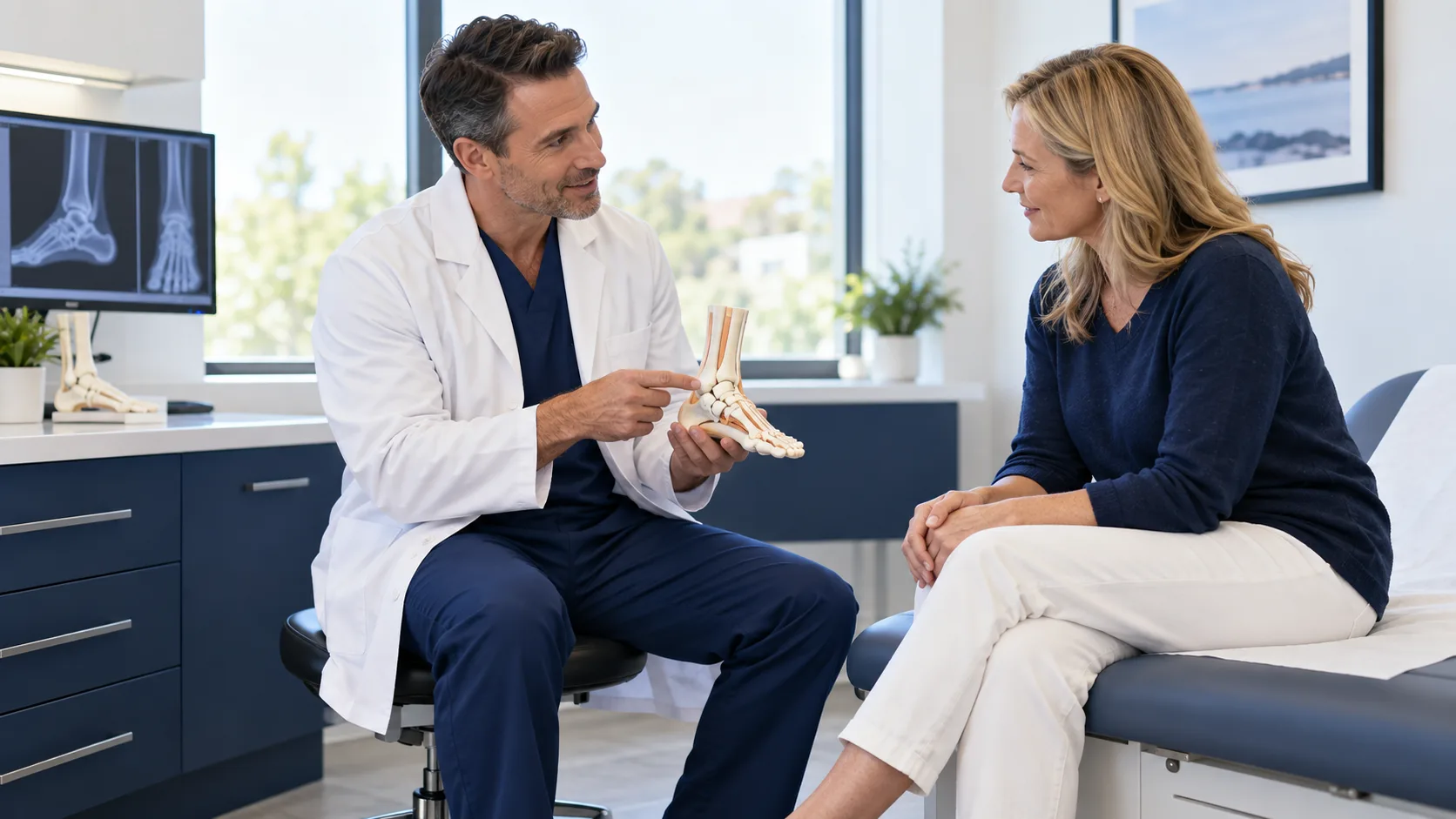
Mild or flexible hammertoe symptoms can often be managed without surgery. Conservative options may include:
- Wider shoes with a deeper toe box
- Shoe modifications
- Padding to reduce rubbing
- Corn and callus care
- Toe sleeves or cushions
- Splints or straps, when appropriate
- Custom orthotics
- Stretching and strengthening guidance, when appropriate
- Anti-inflammatory care, when appropriate
- Treatment of related bunions or pressure points
- Monitoring progression over time
WHEN IS HAMMERTOE SURGERY CONSIDERED?Surgery Based on Symptoms,
Surgery Based on Symptoms,
Not Appearance Alone
Hammertoe surgery may be discussed when a patient experiences:
Surgery is considered only when appropriate, after a full evaluation, diagnosis, and discussion of your treatment goals.- Persistent pain despite conservative care
- A rigid or worsening toe deformity
- Ongoing difficulty wearing shoes
- Recurring corns or calluses
- Skin breakdown or ulcer risk
- Toe crowding
- Pain under the ball of the foot
- Symptoms affecting walking, work, or daily activities
HAMMERTOE CORRECTION SURGERY OPTIONSCorrection Tailored
Correction Tailored
to Your Joint
Hammertoe surgery isn't one single procedure, the right correction depends on the toe's flexibility, joint position, severity, related bunions, foot structure, skin condition, and overall health. Depending on your case, correction may involve:
He will explain which approach fits your specific toe and foot structure.
FLEXIBILITY+JOINT POSITION+FOOT STRUCTURE
- Tendon balancing, when appropriate
- Joint release or soft tissue correction
- Bone correction or joint correction, when needed
- Temporary pinning or fixation, when appropriate
- Correction of related toe crowding
- Addressing related bunions or forefoot problems, if present

HAMMERTOES AND BUNIONSLooking at the
Looking at the
Whole Forefoot
Hammertoes often occur alongside bunions, toe crowding, corns, calluses, and general forefoot pain. He evaluates the entire forefoot, not just the bent toe, because the most effective treatment plan depends on understanding your foot's overall structure.
Learn About Bunion Treatment and Surgery →HAMMERTOES AND DIABETESExtra Care for
Extra Care for
High-Risk Feet
Hammertoes can create pressure points that lead to corns, calluses, sores, or ulcers over time. For diabetic patients, neuropathy may make it harder to feel this rubbing or notice a wound forming. Diabetic patients should not ignore redness, wounds, drainage, or skin breakdown, prompt podiatry evaluation is important for protecting high-risk feet.
Learn More About Diabetic Foot Care →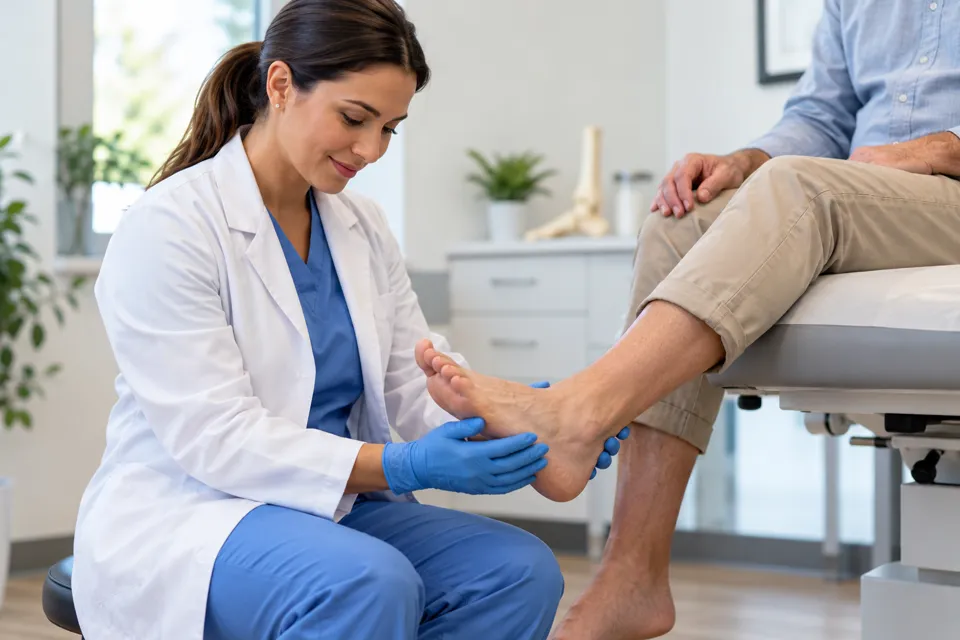
Watch closelyRedness · Wounds · Drainage · Skin breakdown
RECOVERY AND AFTERCAREWhat Recovery
What Recovery
Generally Involves
Recovery varies depending on the procedure performed, severity, your overall health, and your activity goals. In general:
We're not able to promise an exact recovery timeline, a painless experience, or a guaranteed result, since healing varies for every patient.- 01Instructions
You'll receive clear aftercare instructions
- 02Protection
Protective footwear, bandaging, splinting, or a surgical shoe may be used
- 03Weight-bearing
Weight-bearing instructions depend on the specific procedure
- 04Follow-up
Follow-up visits help monitor healing
- 05Healing
Swelling and stiffness can vary from patient to patient
- 06Your plan
He will explain what to expect for your specific procedure during your consultation

HOW TO HELP PREVENT HAMMERTOE SYMPTOMS FROM WORSENINGPractical Tips
Practical Tips
for Toe Health
- Wear shoes with enough toe room
- Avoid shoes that squeeze the toes
- Use padding if it's been recommended
- Address corns and calluses safely
- Avoid cutting or shaving corns at home
- Use orthotics if recommended
- Manage bunions or toe crowding early
- Schedule care if the toe becomes painful, stiff, or irritated
CLEAR ANSWERS · INDIVIDUAL CAREReady to Address Your
Ready to Address Your
Hammertoe Pain?
Same-day appointments may be available
Knox Foot and Ankle · 2725 Asbury Rd, Suite 101, Knoxville, TN 37914 · (865) 329-3338FREQUENTLY ASKED QUESTIONSFAQ's About Hammertoe Correction
FAQ's About Hammertoe Correction
in Knoxville, TN
A little more about hammertoe correction at Knox Foot and Ankle.
What is a hammertoe?
A hammertoe is a toe deformity where one or more toes bend abnormally at the middle joint, often curling downward and rubbing against shoes.
Can hammertoes be treated without surgery?
Yes, especially when the toe is still flexible. Conservative options like footwear changes, padding, and orthotics can help reduce symptoms, though they don't permanently correct a rigid deformity.
When should I see a podiatrist for a hammertoe?
If your toe is painful, stiff, worsening, or causing corns and calluses from shoe pressure, it's a good time to schedule an evaluation.
When is hammertoe surgery needed?
Surgery may be considered when pain persists despite conservative care, the toe becomes rigid, or symptoms are affecting your daily activities.
Are hammertoes related to bunions?
Yes. Hammertoes often occur alongside bunions and toe crowding, which is why we evaluate the entire forefoot during your visit.
Can hammertoes cause corns or calluses?
Yes. The abnormal bend in the toe often creates friction and pressure points, leading to corns on top of the toe and calluses under the ball of the foot.
Are hammertoes serious for diabetic patients?
Hammertoes can create pressure points that lead to sores or ulcers, and neuropathy may make these harder to notice. Diabetic patients should seek prompt evaluation for any redness, wounds, or skin changes.
What happens during a hammertoe correction consultation?
We'll review your symptoms, examine your toe's flexibility and skin condition, review any imaging, and discuss both non-surgical and surgical options tailored to your case.
How do I schedule hammertoe treatment in Knoxville?
You can call us at (865) 329-3338 or request an appointment online through our website.