“I am so very thankful for Dr. Carol Ackerman. I have plantar fasciitis and it has been extremely painful to the point of not being able to walk... I feel that I am on my way to recovery.”
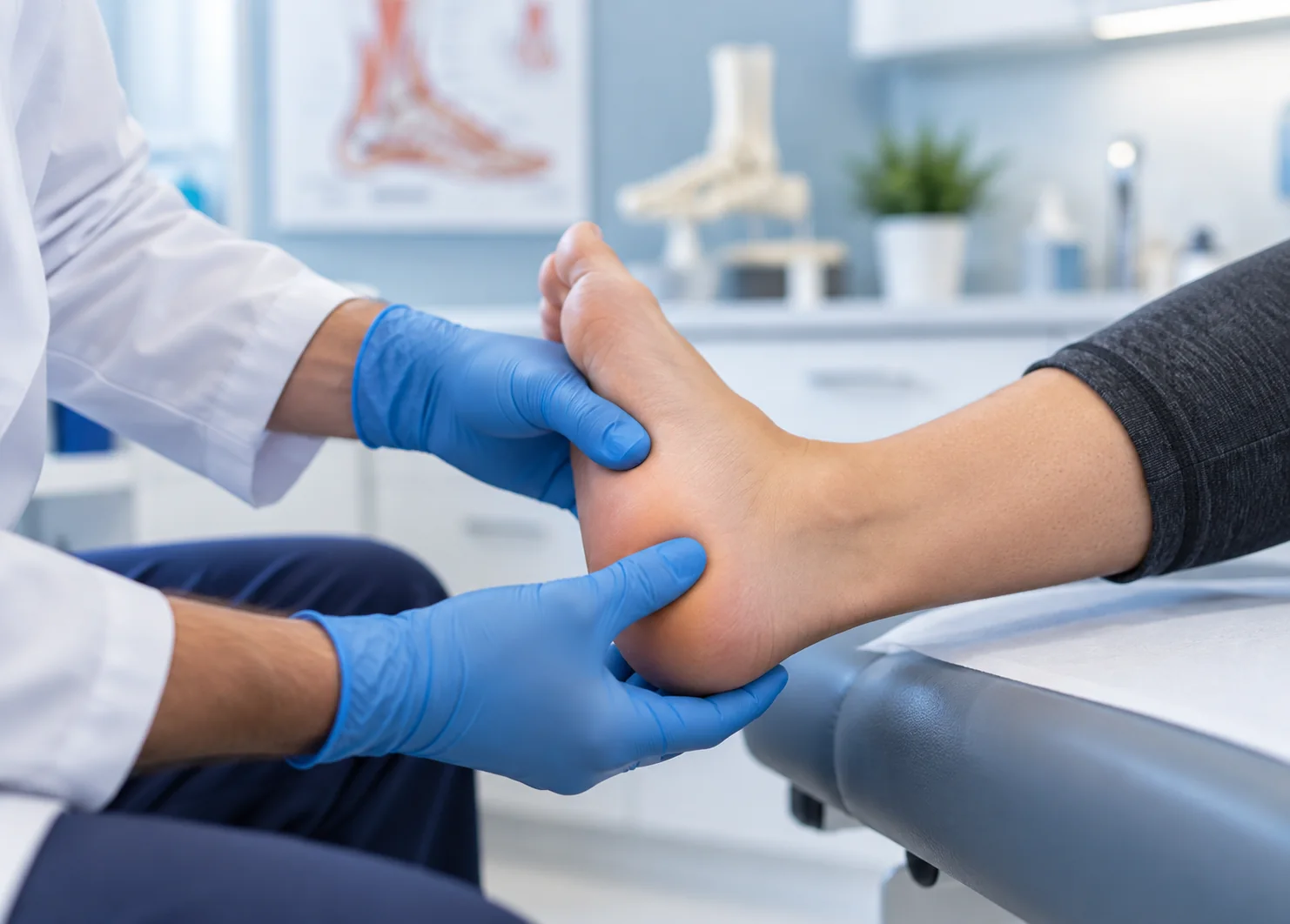
HEEL PAIN CARE · KNOXVILLE, TNHeel Pain Treatment
Heel Pain Treatment
in Knoxville, TN
From morning heel pain to Achilles discomfort and running-related strain, Knox Foot and Ankle helps you find out what's really causing your pain, and how to treat it.
Precise evaluationConservative optionsPersonalized support
COMMON HEEL PAIN SYMPTOMSRecognizing
Recognizing
Heel Pain
Symptoms can vary depending on the underlying cause. Common signs include:
UNDER HEELBACK OF HEELNERVE SIGNS
- Sharp pain under the heel
- Pain with first steps in the morning
- Pain after sitting or resting
- Pain after standing for long periods
- Pain during or after walking
- Pain after running or exercise
- Tenderness under the heel
- Pain at the back of the heel
- Swelling or warmth around the heel
- Burning, tingling, or numbness
- Limping or difficulty bearing weight
- Pain that worsens in certain shoes
GOOGLE REVIEWSTrusted Foot and Ankle
Trusted Foot and Ankle
Care in Knoxville
See what patients say about their experience at Knox Foot and Ankle.
4.7★★★★★172+ Google reviews
“Dr. Malik was easy to talk to, explained things in a simple way, and helped fix my issue pretty quickly. I felt comfortable the whole time and didn't feel rushed at all.”
“Awesome place, very kind and very thorough with my exam. Treated me properly. Highly recommend.”
Fellowship-Trained SurgeonAdvanced Foot and Ankle CareDiabetic Limb PreservationSame-Day Appointments May Be Available

HEEL PAIN CARESpecialist-Led
Specialist-Led
Heel Pain Care
Abshan Malik, DPM, AACFAS
Fellowship-Trained Foot and Ankle Surgeon
He evaluates heel pain by looking at the location and pattern of symptoms, activity level, foot structure, gait, footwear, tendon involvement, plantar fascia irritation, growth-related concerns, and other conditions that may contribute to pain. He uses the evaluation to identify the likely cause and determine an appropriate treatment plan based on the patient’s specific needs.
COMMON CAUSES OF HEEL PAINIt's Not Always
It's Not Always
Plantar Fasciitis
SOFT TISSUESTRUCTUREPRESSURE
irritation of the tissue supporting the arch
bony growths that may or may not be the actual source of pain
irritation where the tendon meets the heel
inflammation of the small cushioning sacs near the heel
small cracks from repetitive impact
reduced cushioning under the heel
including tarsal tunnel-related symptoms
joint-related pain and stiffness
from running, training, or repetitive impact
foot structure contributing to strain
inadequate cushioning or arch support
common in growing children
requiring careful evaluation

PLANTAR FASCIITIS AND MORNING HEEL PAINA Common,
A Common,
Treatable Cause
Plantar fasciitis is one of the most common causes of heel pain. Pain is often worse with the first steps in the morning and may return after sitting or resting for a while. The plantar fascia supports the arch of the foot, and strain or irritation of this tissue can cause pain directly under the heel. Treatment may involve stretching, footwear changes, orthotics, night splints, injections when appropriate, and other conservative options.
Learn More About Plantar Fasciitis Treatment →ACHILLES TENDON AND BACK-OF-HEEL PAINUnderstanding Pain at
Understanding Pain at
the Back of the Heel
Pain at the back of the heel is often related to the Achilles tendon, where irritation can develop from tight calf muscles, overuse from sports or work, or shoe pressure. You may notice swelling or tenderness behind the heel. Treatment may include stretching, immobilization, heel lifts, bracing, physical therapy referrals, or further evaluation when appropriate. We're not able to promise an exact recovery timeline, since healing varies for every patient.
X-RAY ≠ CAUSE
HEEL SPURS: WHAT PATIENTS SHOULD KNOWHeel Spurs Aren't Always
Heel Spurs Aren't Always
the Cause of Pain
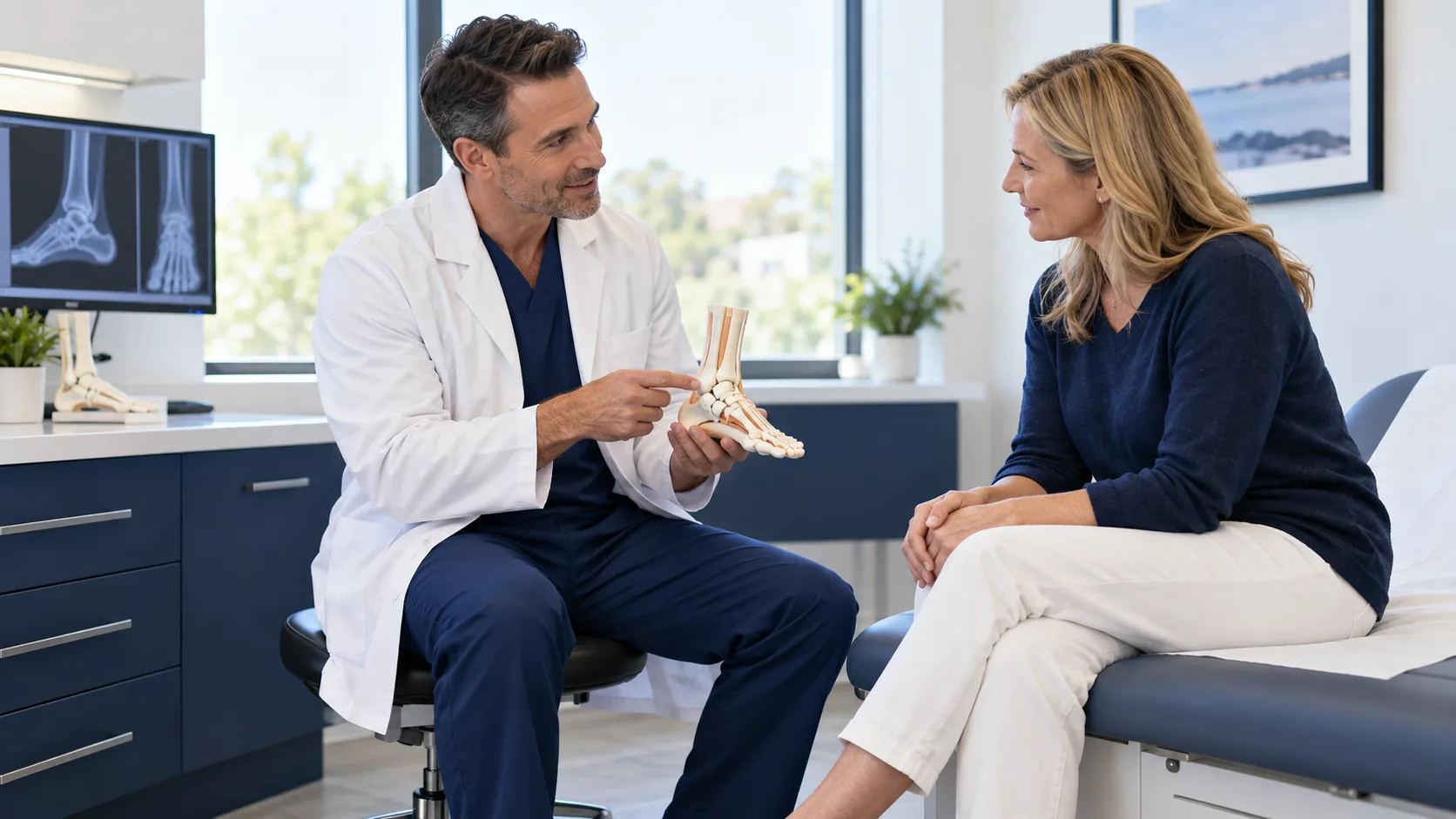
Heel spurs are bony growths that may show up on an X-ray, but not every heel spur actually causes pain. In many cases, heel pain associated with a spur is really related to soft tissue irritation, foot mechanics, or pressure, which means treatment usually focuses on the underlying cause of pain rather than the spur itself.
Supporting
Growing Feet
Children and teens can develop heel pain from growth-related stress, sports, cleats, running, or general overuse. Sever's disease is a common cause of heel pain in growing children. If your child's pain is changing how they walk, run, or play, it's worth having it evaluated. Treatment depends on age, activity level, symptoms, and exam findings.
Extra Care for
High-Risk Feet
Diabetes can reduce sensation and circulation, which means heel pressure, skin breakdown, wounds, or nerve symptoms should be evaluated carefully rather than assumed to be routine. Diabetic patients should not ignore heel pain, redness, wounds, calluses, drainage, or numbness. A podiatry evaluation can help determine whether your pain is related to pressure, wound risk, nerve symptoms, infection, or another cause entirely.
Learn More About Diabetic Foot Care →WHEN SHOULD YOU SEE A PODIATRIST FOR HEEL PAIN?Signs It's Time to
Signs It's Time to
Schedule a Visit
Consider scheduling an appointment if you're experiencing:
- Heel pain lasting more than a few days
- Morning heel pain that keeps returning
- Pain that affects walking, work, or exercise
- Heel pain following an injury
- Swelling, bruising, warmth, or redness
- Pain at the back of the heel
- Burning, tingling, or numbness
- Pain that doesn't improve with shoe changes or rest
- Diabetes, neuropathy, poor circulation, or wound concerns
- Inability to bear weight or a suspected fracture
DIAGNOSING HEEL PAIN AT KNOX FOOT AND ANKLEA Thorough Evaluation
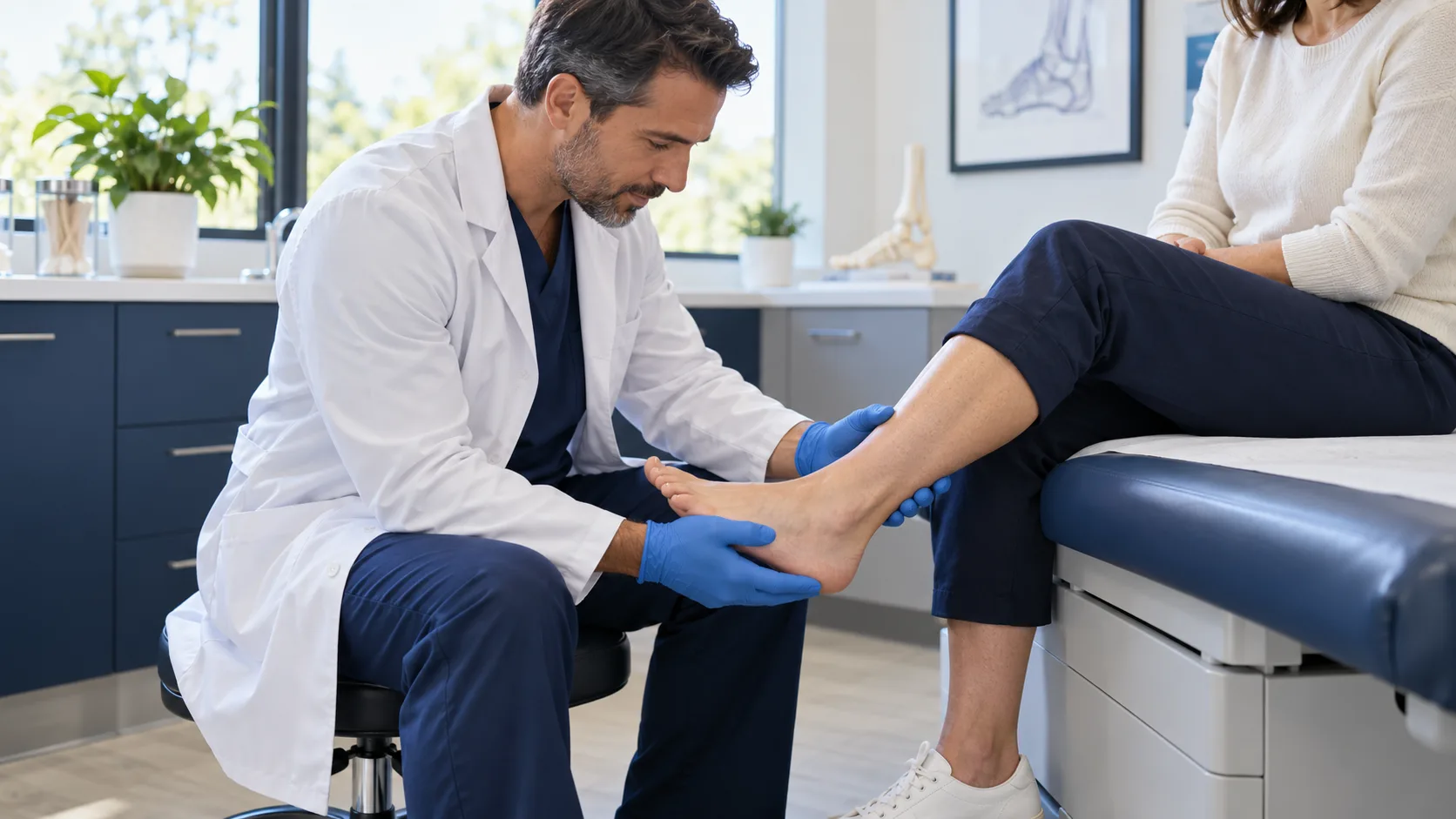
A Thorough Evaluation
Before Any Treatment
Accurate diagnosis matters because it shapes the right treatment plan. Our evaluation typically includes:
- 01History
Review of your symptoms and activity history
- 02Exam
A thorough foot and ankle exam
- 03Location
Checking heel tenderness and pain location
- 04Mechanics
Evaluation of your arch type and foot mechanics
- 05Movement
Gait or walking pattern review, when appropriate
- 06Footwear
Shoe wear review
- 07Tendon
Checking for Achilles tightness or tendon pain
- 08Imaging
Digital X-rays or imaging, when needed
- 09Differentiate
Differentiating plantar fasciitis from stress fractures, heel spurs, nerve pain, arthritis, Achilles problems, or diabetic foot concerns
NON-SURGICAL HEEL PAIN TREATMENT OPTIONSMost Heel Pain Can Often Be
Most Heel Pain Can Often Be
Treated Without Surgery
Depending on the cause and severity of your heel pain, treatment may include:
- Stretching programs
- Calf and plantar fascia stretches
- Footwear changes
- Activity modification
- Ice and inflammation management guidance
- Custom orthotics
- Prefabricated inserts, when appropriate
- Night splints
- Taping or strapping
- Bracing or immobilization, when needed
- Heel lifts, when appropriate
- Injection therapy, when appropriate
- Physical therapy referrals
- Diabetic pressure relief or wound care, when needed
CUSTOM ORTHOTICS FOR HEEL PAINPersonalized Support
Personalized Support
for Your Feet
Custom orthotics may help support the arch, reduce strain on the plantar fascia, and help redistribute pressure across the foot. Custom orthotics may be recommended when your foot structure, recurring pain, work demands, or activity level call for more specific support than a generic insert can offer.
Learn More About Custom Orthotics →YOUR GAITYOUR ARCHYOUR PRESSURETHREE INDIVIDUAL INPUTS ↓ONE PERSONALIZED PLAN
ADVANCED TREATMENT OPTIONS FOR CHRONIC HEEL PAINWhen Basic Care
When Basic Care
Isn't Enough
If your heel pain hasn't improved with initial conservative care, we'll take a closer look. This may involve:
- Re-evaluation of your diagnosis
- Imaging, when appropriate
- Immobilization
- Injection options, when appropriate
- Additional non-surgical treatments, if available and appropriate for your case
- A surgical discussion, reserved only for selected persistent cases or structural problems

HOW TO HELP PREVENT HEEL PAIN FROM RETURNINGPractical
Practical
Prevention Tips
- Wear supportive shoes
- Replace worn-out shoes regularly
- Stretch your calves and feet consistently
- Avoid sudden increases in activity
- Use orthotics if they've been recommended
- Warm up before exercise
- Avoid walking barefoot on hard surfaces if it worsens your symptoms
- Manage weight-related pressure, when appropriate
- Address flat feet, high arches, or mechanics issues
- Schedule care early if heel pain starts to return
CLEAR ANSWERS · INDIVIDUAL CAREReady to Find Out What's Really
Ready to Find Out What's Really
Causing Your Heel Pain?
Same-day appointments may be available
Knox Foot and Ankle · 2725 Asbury Rd, Suite 101, Knoxville, TN 37914 · (865) 329-3338FREQUENTLY ASKED QUESTIONSFAQ's About Heel Pain
FAQ's About Heel Pain
Treatment in Knoxville, TN
A little more about heel pain treatment at Knox Foot and Ankle.
What causes heel pain?
Heel pain may be caused by plantar fasciitis, Achilles tendon irritation, heel spurs, bursitis, stress fractures, nerve irritation, arthritis, foot structure, overuse, or pressure-related concerns.
Why does my heel hurt when I first get out of bed?
Pain with the first steps in the morning is commonly associated with plantar fascia irritation, although an evaluation is needed to confirm the cause.
Is heel pain always plantar fasciitis?
No. Several tendon, bone, nerve, joint, pressure, and structural conditions can cause heel pain.
When should I see a podiatrist for heel pain?
Schedule a visit when pain persists, keeps returning, affects daily activity, follows an injury, or involves swelling, numbness, wounds, or difficulty bearing weight.
Can custom orthotics help heel pain?
They may help in selected cases by supporting the arch, reducing plantar fascia strain, and redistributing pressure based on your mechanics.
What is the difference between heel spurs and plantar fasciitis?
A heel spur is a bony growth visible on imaging, while plantar fasciitis is irritation of the tissue supporting the arch. A spur may be present without causing pain.
Can runners get heel pain?
Yes. Repetitive impact, training changes, tight calf muscles, footwear, and running mechanics can contribute to heel pain.
Can children have heel pain?
Yes. Growing children can experience heel pain from sports, cleats, overuse, and growth-related conditions such as Sever's disease.
Is heel pain serious for diabetic patients?
It can require extra care because reduced sensation and circulation may hide pressure injury, skin breakdown, wounds, infection, or nerve-related symptoms.
How do I schedule heel pain treatment in Knoxville?
Call Knox Foot and Ankle at (865) 329-3338 or request an appointment through our website.