Flat Feet and Fallen Arches Treatment in Knoxville, TN
From childhood flat feet to progressive adult arch collapse, Knox Foot and Ankle helps identify the cause and find the right level of support for your feet.
Arch shape assessedWalking pattern evaluatedSupport plan personalized
Abshan Malik, DPM, AACFASFellowship-Trained Foot and Ankle Surgeon
FLAT FEET AND ARCH CARE
Specialist-Led Flat Feet and Arch Care
Abshan Malik, DPM, AACFAS
Fellowship-Trained Foot and Ankle Surgeon
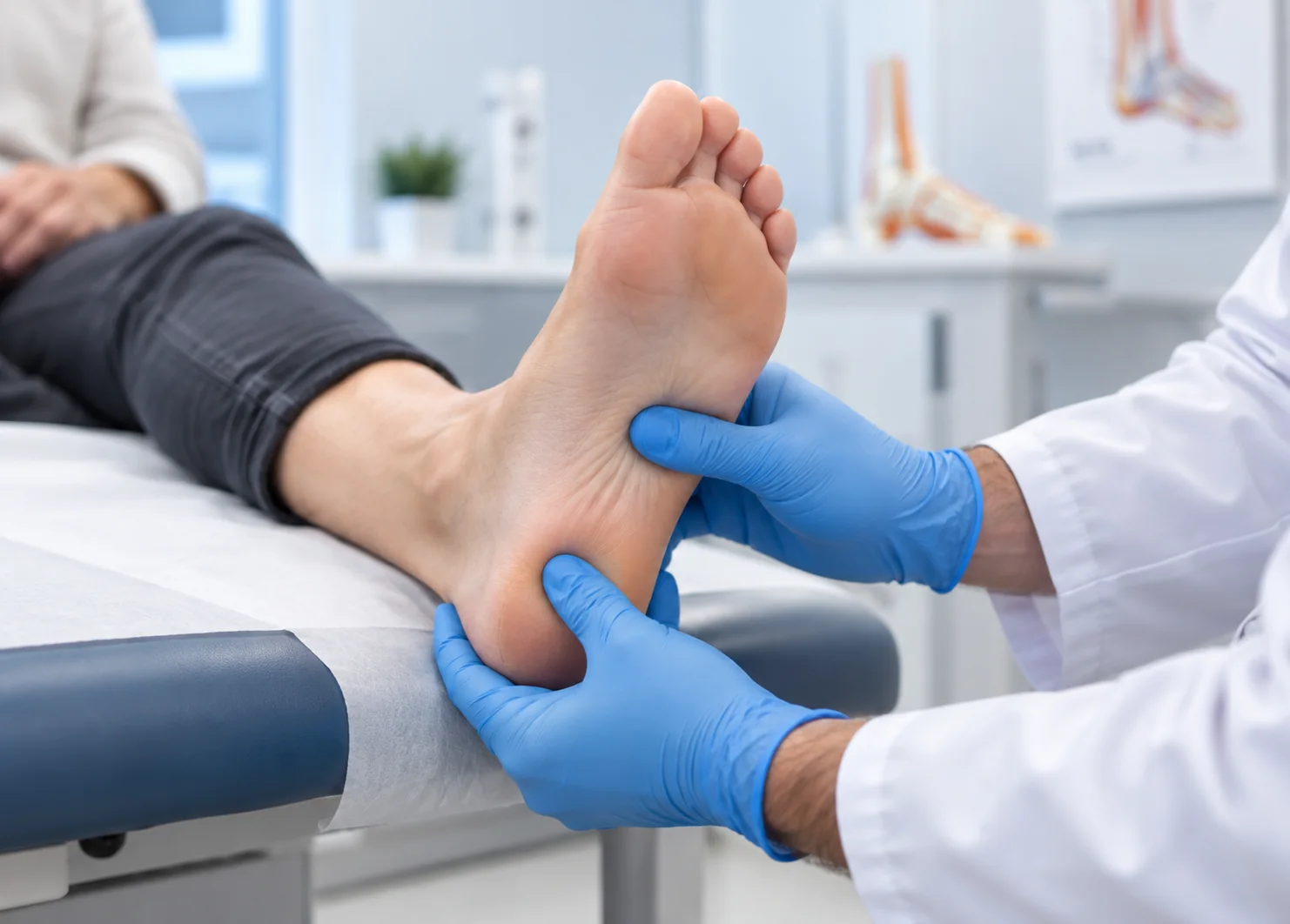
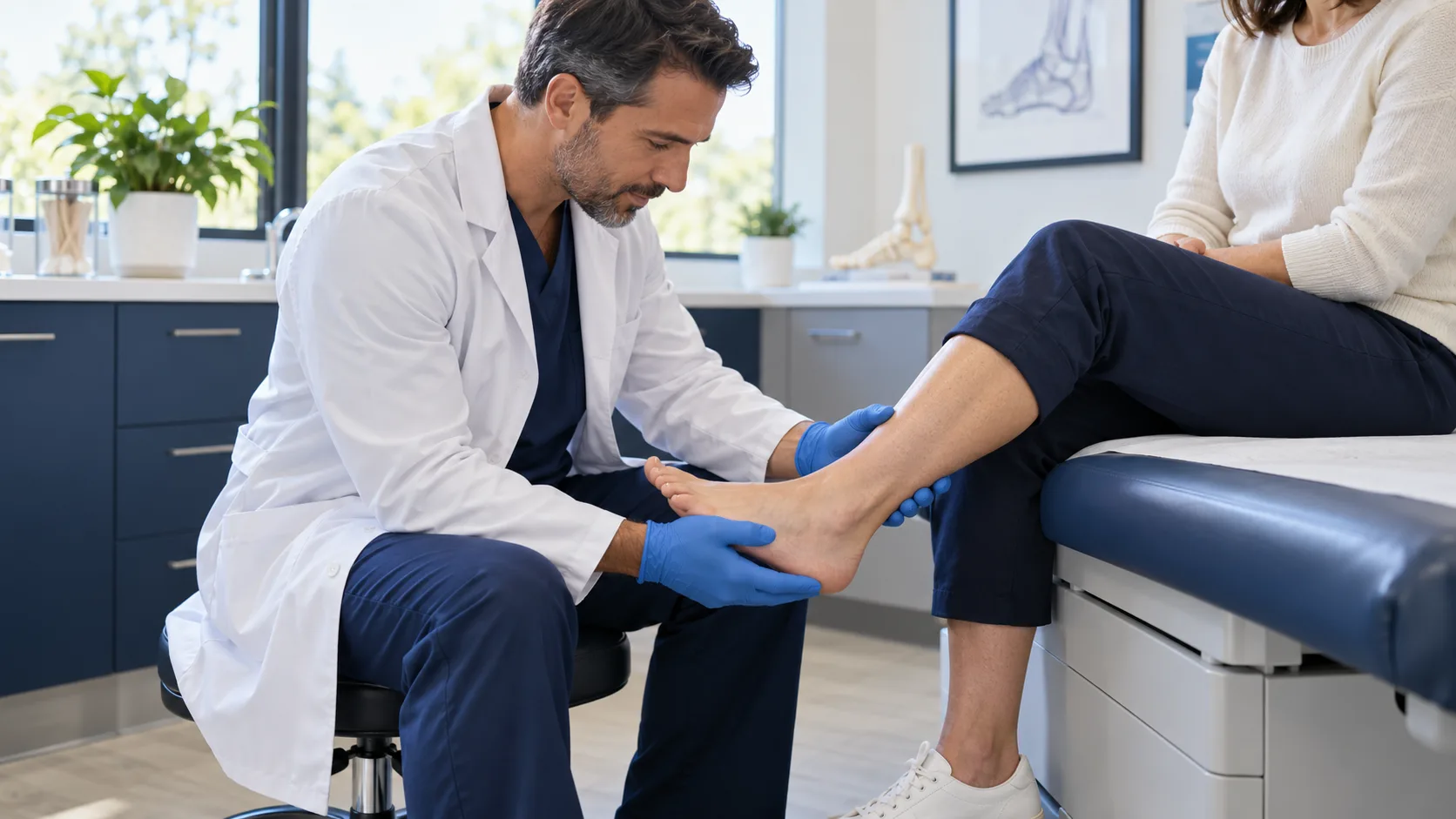
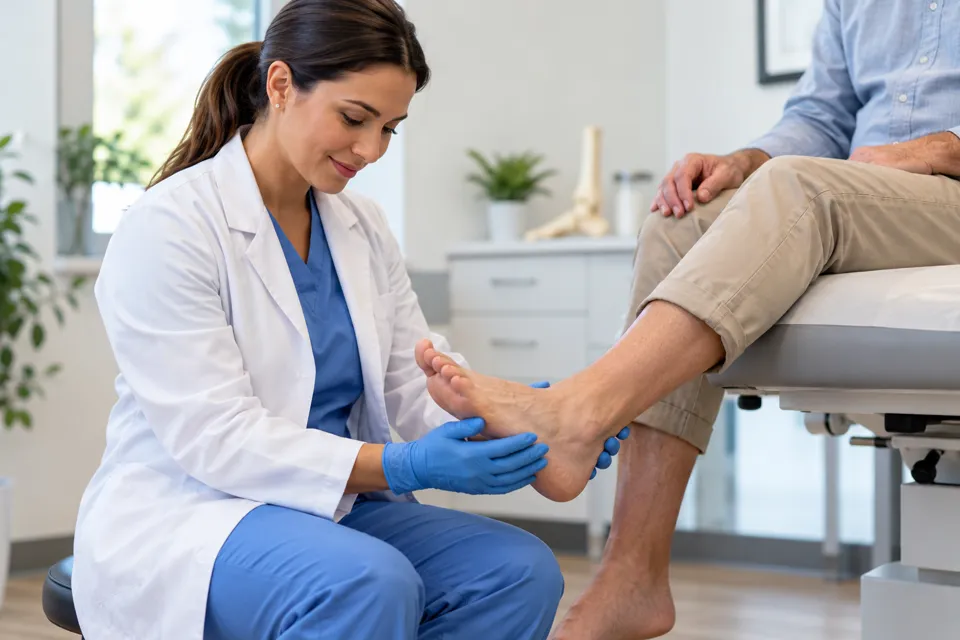
He evaluates arch height, foot alignment, gait mechanics, tendon function, flexibility, pressure patterns, footwear, activity demands, and symptoms that may be related to flat feet or progressive arch collapse. He considers whether the condition is flexible or rigid, how it affects function, and whether supportive care, orthotics, bracing, additional treatment, or surgical evaluation may be appropriate based on the patient’s specific needs.
Arch alignmentTendon functionIndividual care
WHAT ARE FLAT FEET?
Understanding the Condition
Flat feet occur when the arch is low or touches the ground more than usual when standing. They may be present from childhood or develop over time. Some flat feet are painless; others cause fatigue, instability, or changes in walking. Treatment depends on symptoms, structure, flexibility, age, and activity needs.
ARCH HEIGHTFLEXIBILITYFUNCTION
GOOGLE REVIEWS
Trusted Foot and Ankle Care in Knoxville
See what patients say about their experience at Knox Foot and Ankle.
4.7★★★★★172+ Google reviews
★★★★★
“I recently had bunion surgery with Dr. Malik and I'm really glad I chose his office. He took the time to explain everything clearly and answered all my questions.”
★★★★★
“Dr. Abshan Malik took excellent care of me and my family, with our medical needs with exceptional expertise. We are truly blessed to have him serving the Knoxville community as a podiatrist.”
★★★★★
“Dr. Malik and Ms. Melanie were fantastic. I was extremely anxious prior to arriving to the office but they made me feel so comfortable.”
Fellowship-Trained SurgeonAdvanced Foot and Ankle CareIndividual Treatment PlanningSame-Day Appointments May Be Available
UNDERSTANDING THE TERMINOLOGY
Types of Flat Feet and Fallen Arches
Flat feet describes naturally low arches or arches that flatten with weight-bearing. Fallen arches usually describes progressive arch collapse, also called adult-acquired flatfoot. Posterior tibial tendon dysfunction—weakening or damage to the tendon that supports the arch—can contribute, as can ligament strain, arthritis, or injury.
01 · WEIGHT-BEARING
Flexible flat feet
may show an arch when sitting or standing on tiptoe but flatten when standing normally.
Arch changes with position
VSThese differences help guide treatment.
02 · STRUCTURAL
Rigid flat feet
stay flat without bearing weight and may need imaging or further evaluation.
Arch remains low at rest
Growing feet deserve thoughtful careEvaluation is based on comfort, movement, and function.
PEDIATRIC FLAT FEET
Pediatric Flat Feet
Many children have flatter feet while growing, and not every child needs treatment. Evaluation may be appropriate for pain, fatigue, limping, frequent tripping, activity limitation, uneven shoe wear, or one foot looking noticeably different. Care may involve monitoring or support based on the findings.
Pain or fatigueLimping or trippingActivity limitationUneven shoe wear
SYMPTOMS AND EVALUATION
Symptoms and When to See a Podiatrist
Schedule an evaluation for persistent symptoms, changes in foot shape, or difficulty with daily activity. Signs to watch for include:
Arch or heel pain, including plantar fasciitis symptoms
Pain along the inside of the foot or ankle, or difficulty standing on tiptoe
Swelling near the arch or ankle
Foot fatigue or pain that limits walking, exercise, work, or daily activities
Feet rolling inward (overpronation), uneven shoe wear, or difficulty finding comfortable shoes
A worsening foot shape, one foot becoming flatter than the other, or symptoms after an injury
A child with pain, limping, fatigue, or activity limitation
Diabetic pressure points, calluses, or skin changes
FLAT FEET AND RELATED CONDITIONS
Related Foot and Ankle Conditions
Changes in foot mechanics can contribute to these conditions and, in some patients, lower-leg, knee, hip, or back strain:
Flat feet can create diabetic pressure points, calluses, wounds, or ulcers. Neuropathy may hide rubbing or pressure, so do not ignore redness, calluses, wounds, or skin breakdown. Evaluation can guide offloading, protective footwear, and support to reduce pressure and help protect the skin.
Protect skin before problems progressPersonalized pressure relief and support matter.
WHEN IS SURGERY CONSIDERED FOR FLAT FEET?
When Surgery or Flatfoot Reconstruction May Be Considered
Surgery is not a first step for most flatfoot conditions. It is normally considered after appropriate conservative care has not adequately addressed pain, deformity, tendon damage, arthritis, or instability. Planning is patient-specific and considers flexibility, alignment, severity, overall health, and mobility goals.
Complex flatfoot reconstruction may involve realigning the foot, supporting tendons, addressing deformity, or stabilizing joints. Evaluation and imaging help determine candidacy; not every patient is a candidate. Recovery varies by procedure and health, and no exact timeline, permanent correction, or outcome is guaranteed.
CONSERVATIVE CARE FIRSTSYMPTOMS and STRUCTUREPERSONALIZED DECISION
Knox Foot and Ankle · 2725 Asbury Rd, Suite 101, Knoxville, TN 37914 · (865) 329-3338
FREQUENTLY ASKED QUESTIONS
FAQs About Flat Feet and Fallen Arches Treatment
A little more about flat feet and fallen arches treatment at Knox Foot and Ankle.
What are flat feet?
Flat feet occur when the arch of the foot is low, collapsed, or touches the ground more than usual when standing, which can be present from birth or develop over time.
Are fallen arches the same as flat feet?
The terms are related. “Fallen arches” often describes arches that have gradually collapsed over time, while “flat feet” can also describe naturally low arches present since childhood.
When should I see a podiatrist for flat feet?
If you're experiencing arch pain, foot fatigue, ankle pain, or a foot shape that seems to be worsening, it's a good time to schedule an evaluation.
Do children with flat feet need treatment?
Not every child with flat feet needs treatment. Evaluation may be appropriate when flat feet cause pain, fatigue, limping, frequent tripping, activity limitation, uneven shoe wear, or visible differences between the feet.
Can custom orthotics help flat feet?
Custom orthotics may help support the arch and improve foot position, often as part of a broader treatment plan tailored to your specific structure and symptoms.
Can flat feet cause heel pain or ankle pain?
Yes. Flat feet can contribute to plantar fasciitis, heel pain, ankle pain, and other related conditions due to changes in foot mechanics.
What is adult-acquired flatfoot?
Adult-acquired flatfoot is a progressive change in arch shape that develops over time and may be related to tendon weakness, ligament strain, arthritis, injury, or other structural changes.
What is posterior tibial tendon dysfunction?
This is a condition where the tendon that helps support the arch becomes irritated, stretched, or damaged, which can lead to progressive flatfoot.
Is surgery needed for flat feet?
No, not for every case. Surgery is only considered when conservative treatment hasn't provided enough relief or when structural correction is needed.
How do I schedule flat feet treatment in Knoxville?
You can call us at (865) 329-3338 or request an appointment online through our website.