
“Really good experience overall. Dr. Malik was easy to talk to, explained things in a simple way, and helped fix my issue pretty quickly. I felt comfortable the whole time and didn't feel rushed at all.”

SKIN and FUNGAL FOOT CARE · KNOXVILLE, TNAthlete's Foot Treatment
Athlete's Foot Treatment
in Knoxville, TN
Relief for itchy, burning, peeling, or cracked feet, with treatment options designed to address the cause, not just the symptoms.
Accurate diagnosisIndividual treatmentRecurrence prevention
WHAT IS ATHLETE'S FOOT?Understanding
Understanding
the Condition
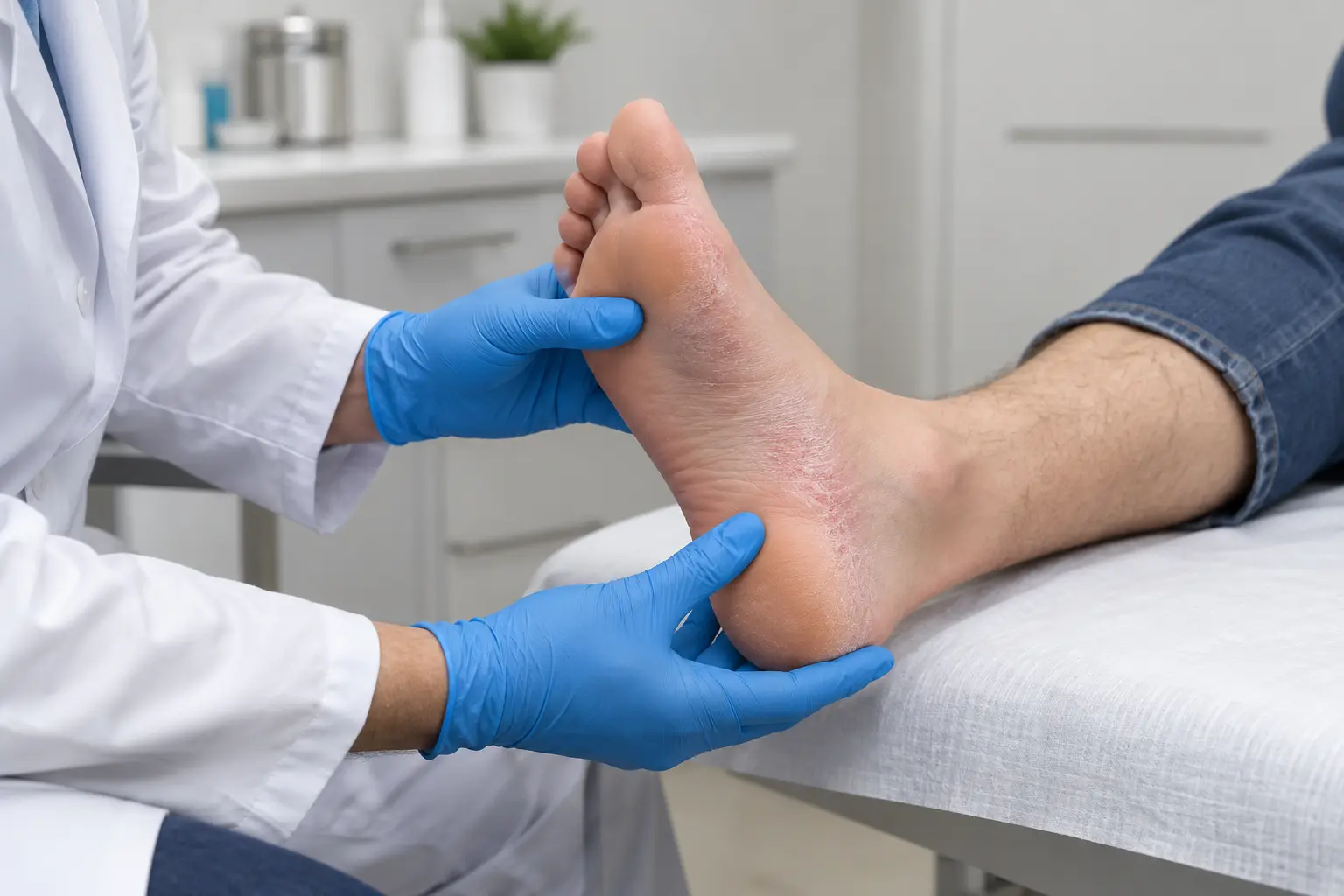
Athlete's foot, also called tinea pedis, is a common fungal infection that affects the skin of the feet. It often develops between the toes, on the soles, or in other areas where the foot stays warm, damp, or irritated. Despite the name, athlete's foot can affect anyone, not just athletes.
01
Warmth + moisture
create the environment where fungus can thrive.
02
Skin changes
can appear between the toes or across the soles.
GOOGLE REVIEWSTrusted Foot and Ankle
Trusted Foot and Ankle
Care in Knoxville
See what patients say about their experience at Knox Foot and Ankle.
4.7★★★★★172+ Google reviews
“Dr. Abshan Malik took excellent care of me and my family, with our medical needs with exceptional expertise.”
“Awesome place, very kind and very thorough with my exam. Treated me properly. Highly recommend.”
Fellowship-Trained SurgeonAdvanced Foot and Ankle CareDiabetic Limb PreservationSame-Day Appointments May Be Available

ATHLETE'S FOOT CARESpecialist-Led
Specialist-Led
Athlete's Foot Care
Abshan Malik, DPM, AACFAS
Fellowship-Trained Foot and Ankle Surgeon
He evaluates persistent or recurring athlete's foot, peeling or cracked skin, burning and itching, related fungal concerns, and other conditions that can resemble a fungal infection. He considers symptoms, recurrence history, skin changes, footwear, moisture exposure, possible toenail involvement, and medical factors such as diabetes, neuropathy, or circulation concerns when developing an appropriate treatment plan.
COMMON SYMPTOMS OF ATHLETE'S FOOTRecognizing
Recognizing
Athlete's Foot
Symptoms can vary from person to person, and not every itchy or peeling foot problem is athlete's foot. Common symptoms include:
BETWEEN
THE TOESSKIN
CHANGESSOLE
THE TOESSKIN
CHANGESSOLE
- Itching between the toes
- Burning or stinging skin
- Peeling or flaking skin
- Cracked skin between the toes
- Redness or irritation
- Scaling on the soles of the feet
- Dry-looking skin that doesn't improve
- Blisters, in some cases
- Bad odor
- A recurring rash on the feet
- Skin breakdown or soreness
WHAT CAUSES ATHLETE'S FOOT?Common Causes
Common Causes
and Risk Factors
Athlete's foot is caused by fungal growth that thrives in warm, moist environments. Contributing factors include:
WARMTH+MOISTURE+EXPOSURE
- 01Sweaty feet
- 02Tight or non-breathable shoes
- 03Wearing damp socks
- 04Walking barefoot in shared locker rooms, pools, or showers
- 05Sharing towels, shoes, or socks
- 06Reusing contaminated shoes
- 07Minor skin cracks or irritation
- 08Diabetes or immune system concerns
- 09A history of toenail fungus or recurring fungal infections
WHEN SHOULD YOU SEE A PODIATRIST FOR ATHLETE'S FOOT?Signs It's Time to
Signs It's Time to
Schedule a Visit
Consider scheduling an appointment if you're experiencing:
- Symptoms not improving with over-the-counter treatment
- Recurring athlete's foot
- Painful cracks between the toes
- Redness, swelling, warmth, or drainage
- Blisters or open skin
- A spreading rash
- Possible toenail fungus
- Diabetes, neuropathy, poor circulation, or immune concerns
- Uncertainty about whether your rash is fungal, eczema, psoriasis, dermatitis, or another condition
DIAGNOSING ATHLETE'S FOOTGetting an
Getting an
Accurate Diagnosis
Not all foot rashes are fungal, which is why accurate diagnosis matters before starting treatment. Our evaluation typically includes:
- 01Listen
Review of your symptoms and recurrence history
- 02Examine
A skin and foot exam
- 03Inspect
Checking between the toes and on the soles
- 04Protect
Evaluation for cracks, wounds, or infection
- 05Connect
Toenail evaluation if fungus may also be present
- 06Understand
Discussion of your shoes, socks, moisture exposure, and activity habits
- 07Confirm
Testing or culture, when appropriate
- 08Differentiate
Differentiating athlete's foot from eczema, psoriasis, contact dermatitis, dry skin, bacterial infection, or other causes

ATHLETE'S FOOT TREATMENT OPTIONSTreatment Based on
Treatment Based on
Your Specific Case
Depending on your symptoms and history, treatment may include:
- Antifungal creams, gels, sprays, or powders, when appropriate
- Prescription-strength antifungal treatment, when needed
- Oral antifungal medication in selected cases, when appropriate
- Treatment of secondary bacterial infection, if present
- Moisture control recommendations
- Foot hygiene guidance
- Shoe and sock recommendations
- A treatment plan tailored for recurring infections
- Toenail fungus evaluation, if your symptoms may be connected
RECURRING ATHLETE'S FOOTWhy It Keeps
Why It Keeps
Coming Back
If your athlete's foot keeps returning, a few common factors may be involved:
REINFECTION
CYCLE
CYCLE
- Shoes may hold onto fungus and moisture
- Feet may stay damp during work or sports
- Toenail fungus can act as a source of reinfection
- Treatment may have been stopped too early
- Socks, towels, or floors may be re-exposing your feet
- Skin between the toes may remain cracked or irritated
ATHLETE'S FOOT AND TOENAIL FUNGUSRelated, But Different,
Related, But Different,
Conditions
Athlete's foot affects the skin, while toenail fungus affects the nail itself, but the two conditions can occur together and often reinforce one another. If you're noticing thick, yellow, brittle, or discolored toenails alongside your skin symptoms, this may need separate evaluation. In recurring cases, treating both the skin and the nail fungus can be an important part of resolving the problem.
Athlete's Foot
Itching, burning, peeling, cracks, or scaling between the toes and across the soles.
CONNECTED
Toenail Fungus
Thick, yellow, brittle, discolored, or distorted changes within the nail itself.
ATHLETE'S FOOT AND DIABETESExtra Care for
Extra Care for
High-Risk Feet
Diabetes can reduce sensation and circulation in the feet, and cracked skin between the toes can create an entry point for infection. Neuropathy may make it harder to feel irritation or a developing wound. Diabetic patients should not ignore redness, drainage, open skin, odor, swelling, or spreading irritation, prompt podiatry evaluation is important for protecting high-risk feet.
Learn More About Diabetic Foot Care →
HOW TO HELP PREVENT ATHLETE'S FOOTPractical
Practical
Prevention Tips
- Keep your feet clean and dry
- Dry carefully between the toes after washing
- Change socks daily, or more often if your feet sweat
- Wear breathable shoes
- Rotate shoes when possible
- Use moisture-wicking socks
- Avoid walking barefoot in public showers or locker rooms
- Don't share towels, socks, or shoes
- Use antifungal powder or spray when recommended
- Treat toenail fungus if it may be contributing to recurrence
- Replace or disinfect shoes when appropriate
CLEAR ANSWERS · INDIVIDUAL CAREReady to Get Relief from
Ready to Get Relief from
Itchy, Peeling Feet?
Same-day appointments may be available
Knox Foot and Ankle · 2725 Asbury Rd, Suite 101, Knoxville, TN 37914 · (865) 329-3338FREQUENTLY ASKED QUESTIONSFAQ's About Athlete's Foot
FAQ's About Athlete's Foot
Treatment in Knoxville, TN
A little more about athlete's foot treatment at Knox Foot and Ankle.
What is athlete's foot?+
Athlete's foot, or tinea pedis, is a common fungal infection of the skin on the feet, often affecting the area between the toes or the soles.
Is athlete's foot contagious?+
Yes. It can spread through direct contact or contaminated surfaces like locker rooms, showers, shared shoes, towels, and socks.
When should I see a podiatrist for athlete's foot?+
If your symptoms aren't improving with over-the-counter treatment, keep recurring, or involve painful cracks, blisters, or signs of infection, it's a good time to schedule an evaluation.
Can athlete's foot come back after treatment?+
Yes. Athlete's foot can return when moisture, contaminated shoes, untreated toenail fungus, or incomplete treatment continues to expose the skin to fungus.
What causes itching and peeling between the toes?+
This is often caused by fungal infection, though other conditions like eczema, psoriasis, or contact dermatitis can cause similar symptoms, which is why an accurate diagnosis matters.
Can athlete's foot spread to toenails?+
Yes. Athlete's foot and toenail fungus can occur together, and fungus on the skin may spread to the nails or contribute to recurring infection.
Is athlete's foot serious for diabetic patients?+
Cracked or irritated skin from athlete's foot can create an entry point for infection, which is more concerning for diabetic patients due to reduced sensation and circulation. Prompt evaluation is recommended.
Can Knox Foot and Ankle treat recurring athlete's foot?+
Yes. We evaluate the underlying causes of recurrence and build a treatment and prevention plan tailored to your specific situation.
How do I schedule athlete's foot treatment in Knoxville?+
You can call us at (865) 329-3338 or request an appointment online through our website.