“I recently had bunion surgery with Dr. Malik and I'm really glad I chose his office. He took the time to explain everything clearly and answered all my questions.”
BUNION CARE · KNOXVILLE, TNBunion Treatment and Surgery
Bunion Treatment and Surgery
in Knoxville, TN
From conservative care to minimally invasive bunion surgery, Knox Foot and Ankle helps you find the right path forward for your bunion.
Structure carefully evaluatedOptions clearly explainedFunction guides treatment
BUNION CARE IN KNOXVILLEBunion Care in Knoxville,
Bunion Care in Knoxville,
From Evaluation to Treatment
A painful bunion can make finding comfortable shoes feel impossible and turn everyday walking into a source of frustration. Knox Foot and Ankle provides thorough evaluation and treatment for painful bunions, worsening deformity, shoe irritation, and big toe joint pain for patients throughout Knoxville, TN.
Your symptoms and goals guide the recommended treatment path.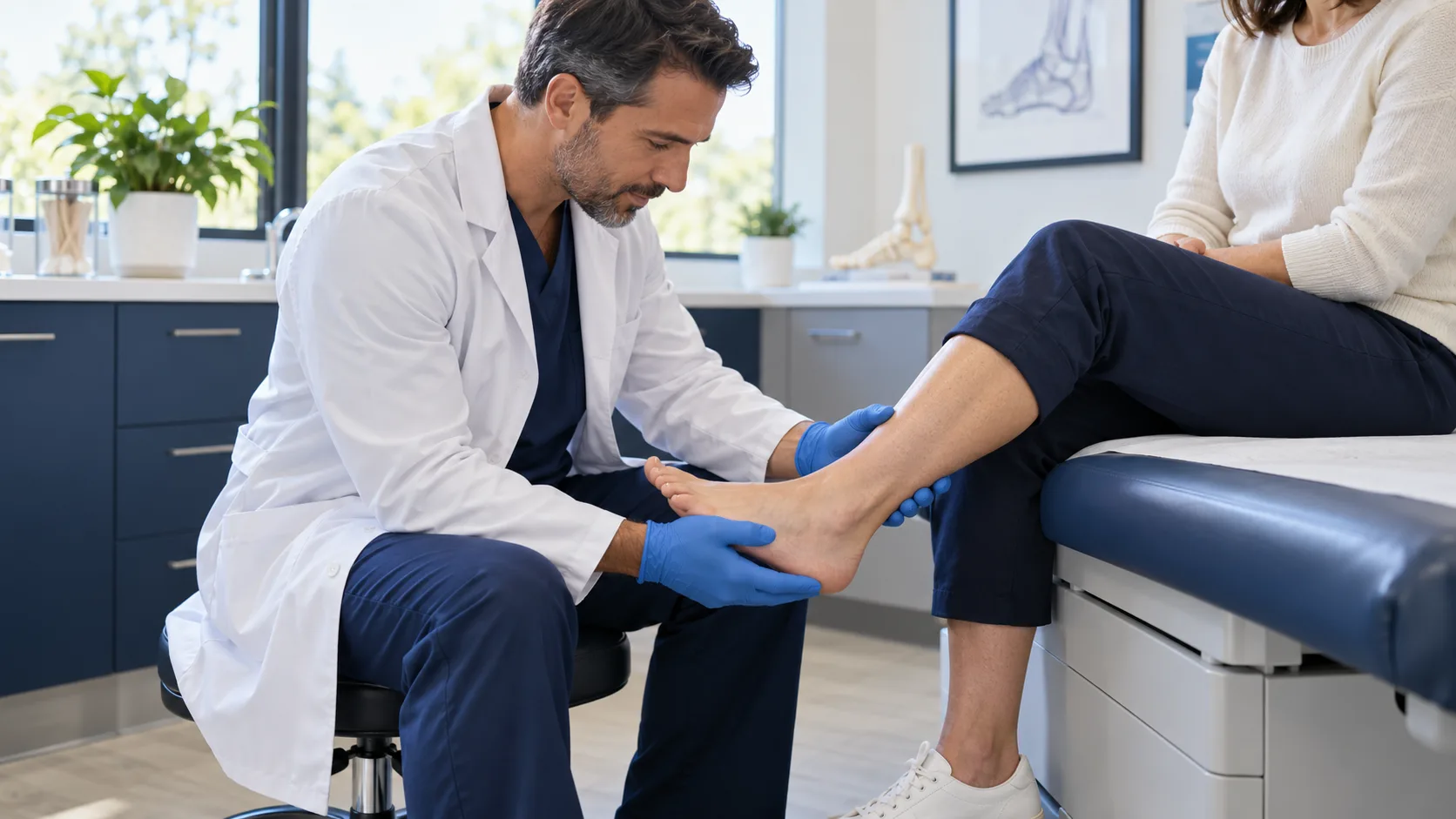
GOOGLE REVIEWSTrusted Foot and Ankle
Trusted Foot and Ankle
Care in Knoxville
See what patients say about their experience at Knox Foot and Ankle.
4.7★★★★★172+ Google reviews
“Dr. Abshan Malik took excellent care of me and my family, with our medical needs with exceptional expertise. We are truly blessed to have him serving the Knoxville community as a podiatrist.”
“Dr. Malik and Ms. Melanie were fantastic. I was extremely anxious prior to arriving to the office but they made me feel so comfortable.”
Fellowship-Trained SurgeonAdvanced Foot and Ankle CareMinimally Invasive OptionsSame-Day Appointments May Be Available

BUNION TREATMENT AND SURGERYSpecialist-Led Bunion Treatment
Specialist-Led Bunion Treatment
and Surgical Care
Abshan Malik, DPM, AACFAS
Fellowship-Trained Foot and Ankle Surgeon
He evaluates bunion severity, big toe alignment, joint motion, foot structure, walking mechanics, footwear concerns, associated pain, and related conditions such as hammertoes or toe crowding. Treatment is based on the patient’s symptoms, activity needs, foot structure, and goals, with conservative care considered when appropriate and surgical correction discussed when symptoms or deformity warrant it.
WHAT IS A BUNION?Understanding
Understanding
the Condition
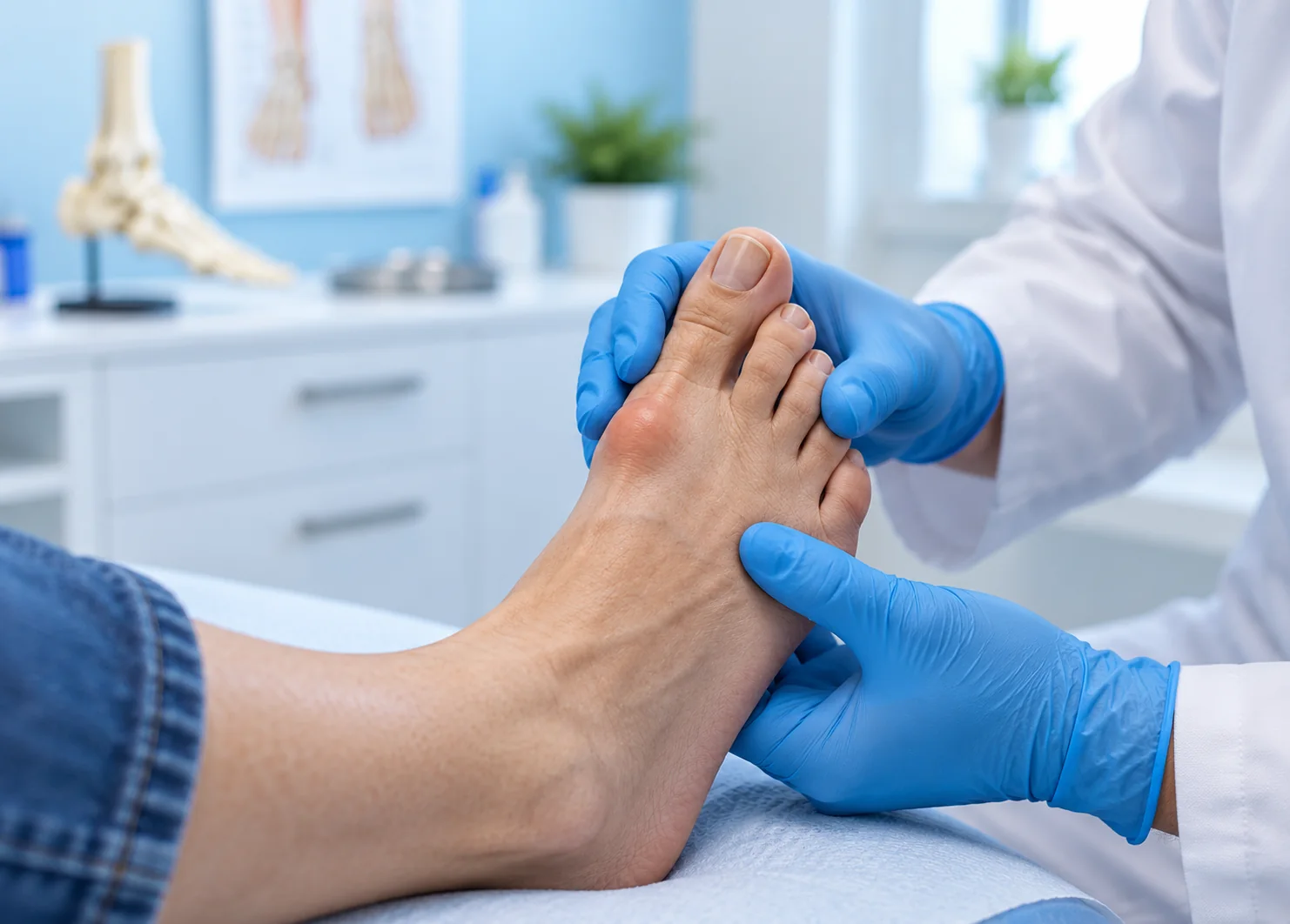
A bunion is a structural change around the big toe joint, where the big toe gradually shifts toward the smaller toes and a visible bump forms along the inside of the foot. A bunion isn't just a skin bump, it's often related to changes in bone alignment, joint position, and foot mechanics that develop over time and can be affected by pressure from footwear.
BIG TOE SHIFTJOINT PRESSUREVISIBLE BUMP
COMMON SYMPTOMS OF BUNIONSRecognizing
Recognizing
Bunion Symptoms
Bunion symptoms can range from mild irritation to pain that interferes with daily activities. Common signs include:
BIG TOE
JOINTPressure · Alignment · Motion
JOINTPressure · Alignment · Motion
- A bump near the base of the big toe
- Pain or soreness around the big toe joint
- Redness or irritation from shoes
- Swelling near the joint
- The big toe leaning toward the second toe
- Difficulty wearing certain shoes
- Corns or calluses from toe crowding
- Stiffness or limited motion in the big toe joint
- Pain while walking or standing
- Foot shape that appears to be worsening over time
WHAT CAUSES BUNIONS?Common Causes and
Common Causes and
Contributing Factors
Bunions can develop for a variety of reasons, including:
Shoes can worsen bunion symptoms, but they aren't always the sole cause, foot structure and mechanics often play a significant role as well.
- 01Inherited foot structure
- 02Flat feet or abnormal foot mechanics
- 03Joint instability
- 04Tight or narrow shoes that increase pressure on the joint
- 05Arthritis
- 06Previous injury
- 07Occupational standing or walking demands
- 08Progressive changes in foot alignment over time
WHEN SHOULD YOU SEE A PODIATRIST FOR A BUNION?Signs It's Time to
Signs It's Time to
Schedule a Visit
Consider scheduling an appointment if you're experiencing:
- Bunion pain that keeps returning
- Shoe irritation or difficulty finding comfortable shoes
- Worsening toe alignment
- Pain while walking, exercising, or working
- Redness, swelling, or joint tenderness
- Corns or calluses between the toes
- Stiffness in the big toe joint
- Bunion symptoms affecting your daily activities
- Interest in exploring non-surgical treatment options
- Interest in learning about bunion surgery or minimally invasive correction
DIAGNOSING A BUNIONA Thorough Evaluation
A Thorough Evaluation
Before Any Treatment Plan
Accurate diagnosis matters because bunion treatment depends on severity, symptoms, joint health, foot structure, and your personal goals. Our evaluation typically includes:
- 01Symptoms
Review of your symptoms and footwear concerns
- 02Exam
A thorough foot and ankle exam
- 03Alignment
Evaluation of toe alignment and joint motion
- 04Mechanics
Assessment of foot mechanics and arch structure
- 05Related issues
Checking for arthritis or related deformities
- 06Imaging
Digital X-rays or imaging, when needed
- 07Options
A discussion of both conservative and surgical treatment options

NON-SURGICAL BUNION TREATMENT OPTIONSManaging Mild to
Managing Mild to
Moderate Symptoms
Early or mild bunion symptoms can often be managed without surgery. Conservative options may include:
- Wider, more supportive footwear
- Shoe modifications
- Padding to reduce pressure
- Toe spacers or splints, when appropriate
- Custom orthotics
- Anti-inflammatory care, when appropriate
- Activity modification
- Treatment for corns, calluses, or irritation
- Monitoring the bunion's progression over time
WHEN IS BUNION SURGERY CONSIDERED?Surgery Is Based on Symptoms and Goals,
Surgery Is Based on Symptoms and Goals,
Not Appearance Alone
Bunion surgery may be discussed when a patient experiences:
Surgery is never recommended based on how a bunion looks alone, it's considered when your symptoms, foot structure, and personal goals support that decision.- Persistent pain despite conservative care
- Ongoing difficulty wearing shoes
- Progressive deformity
- Big toe joint pain or stiffness
- Toe crowding
- Pain affecting work, walking, exercise, or daily life
- Structural deformity that requires correction
MINIMALLY INVASIVE BUNION SURGERYAdvanced Surgical Options
Advanced Surgical Options
When Appropriate
His advanced foot and ankle surgical training includes minimally invasive bunion correction techniques. In selected cases, minimally invasive bunion surgery may use smaller incisions than traditional approaches, depending on bunion severity, bone structure, joint condition, and overall patient health.
Not every bunion is an appropriate candidate for minimally invasive correction, the goal is always to correct alignment using the technique that best matches your specific condition, not a one-size-fits-all approach. He will discuss whether this option may be right for you during your consultation.
Smaller incisions in selected casesAlignment-led planningApproach matched to the patient
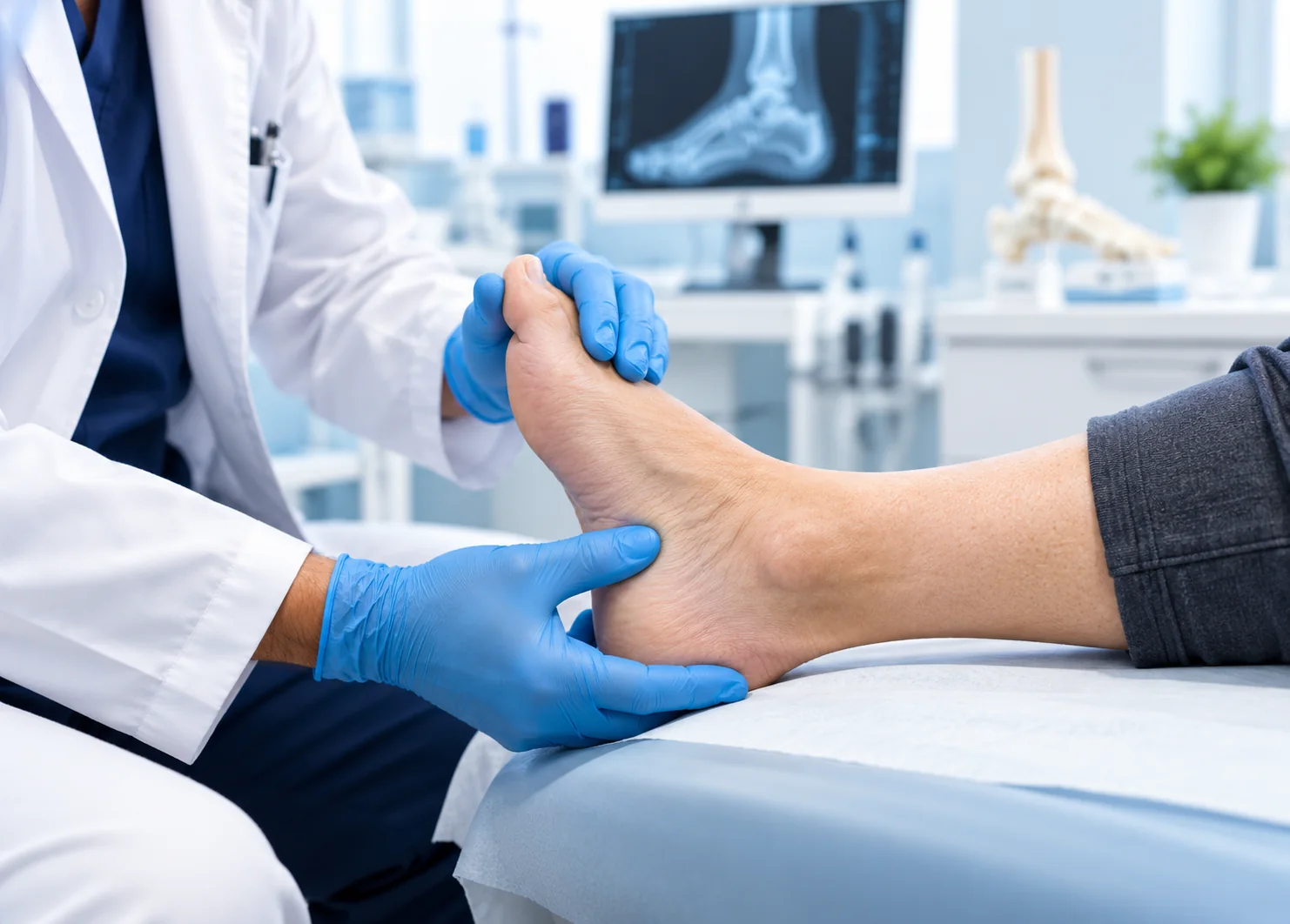
LISTEN→EXAMINE→EXPLAIN
WHAT TO EXPECT DURING A BUNION SURGERY CONSULTATIONA Clear, Unhurried Conversation
A Clear, Unhurried Conversation
About Your Options
If you're considering bunion surgery, your consultation will typically include:
- Discussion of your symptoms and goals
- Review of previous treatments you've tried
- A physical exam
- Review of imaging
- Explanation of both surgical and non-surgical options
- Discussion of risks, benefits, expectations, and aftercare
- A personalized treatment recommendation
RECOVERY AND AFTERCAREWhat Recovery
What Recovery
Generally Involves
Recovery from bunion treatment varies depending on the procedure performed, severity of the bunion, your overall health, and your activity goals. In general:
We're not able to promise an exact recovery timeline, since healing varies from patient to patient.- 01Guidance
You'll receive clear aftercare instructions
- 02Protection
Weight-bearing guidance will depend on the specific procedure
- 03Follow-up
Follow-up visits help monitor healing progress
- 04Support
Supportive shoes, a boot, or other protective devices may be used during recovery
- 05Movement
Physical therapy may be recommended in some cases
- 06Your timeline
Your consultation will include an explanation of what recovery is likely to involve for your specific procedure

BUNIONS, HAMMERTOES, AND TOE CROWDINGLooking at the Whole Foot,
Looking at the Whole Foot,
Not Just the Bunion
Bunions often occur alongside hammertoes, overlapping toes, corns, calluses, and general forefoot pain. The entire forefoot is evaluated during your visit, not just the visible bunion bump, to make sure any related issues are identified and addressed as part of your overall treatment plan.
Learn About Hammertoe Treatment →CLEAR ANSWERS · INDIVIDUAL CAREReady to Talk Through Your
Ready to Talk Through Your
Bunion Treatment Options?
Same-day appointments may be available
Knox Foot and Ankle · 2725 Asbury Rd, Suite 101, Knoxville, TN 37914 · (865) 329-3338FREQUENTLY ASKED QUESTIONSFAQ's About Bunion Treatment and Surgery
FAQ's About Bunion Treatment and Surgery
in Knoxville, TN
A little more about bunion treatment and surgery at Knox Foot and Ankle.
What is a bunion?
A bunion is a structural change at the big toe joint where the toe shifts toward the smaller toes, forming a bump along the inside of the foot.
Can bunions be treated without surgery?
Yes. Mild to moderate bunion symptoms can often be managed with conservative care such as footwear changes, padding, and orthotics, though this doesn't correct the underlying bone alignment.
When should I see a podiatrist for a bunion?
If your bunion is painful, worsening, affecting your ability to wear shoes, or interfering with daily activities, it's a good time to schedule an evaluation.
When is bunion surgery needed?
Surgery may be considered when pain persists despite conservative care, deformity is progressing, or symptoms are affecting your daily life, not based on appearance alone.
Does Knox Foot and Ankle offer minimally invasive bunion surgery?
Yes. Dr. Abshan Malik, DPM has advanced training in minimally invasive bunion correction techniques, used in appropriate cases.
Is minimally invasive bunion surgery right for every patient?
No. Not every bunion is a good candidate for this approach. The right technique depends on your bunion severity, bone structure, and overall foot health.
Can bunions come back after treatment?
Bunion recurrence depends on many factors, including the procedure performed and individual foot mechanics. Dr. Malik will discuss what to expect based on your specific case.
Are bunions related to hammertoes or toe crowding?
Yes. Bunions often occur alongside hammertoes and toe crowding, which is why we evaluate the entire forefoot during your visit.
How do I schedule bunion treatment in Knoxville?
You can call us at (865) 329-3338 or request an appointment online through our website.